.png)
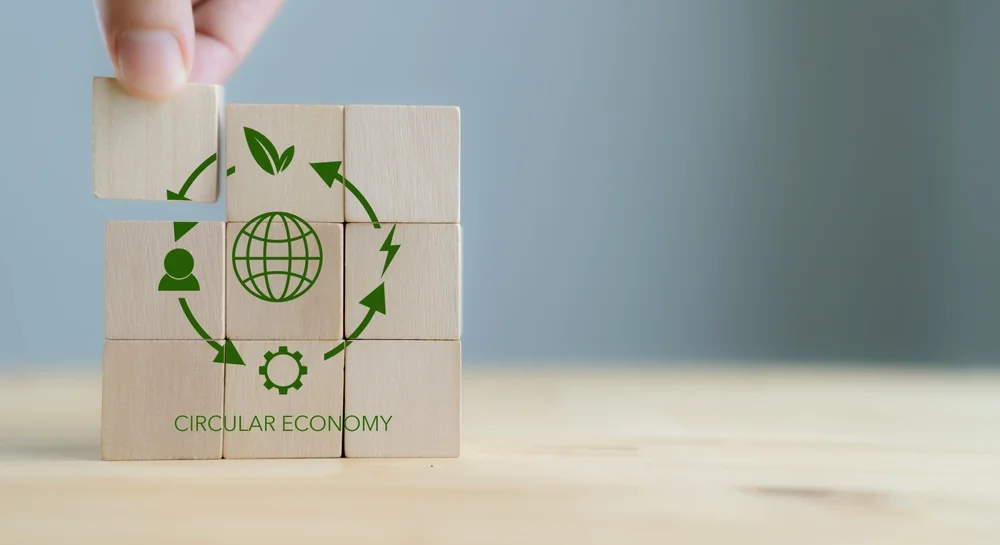
In the quest for a more sustainable future,
businesses across the globe are increasingly turning their attention to
circular economy practices, particularly in the realm of packaging. The
traditional linear model of 'take, make, dispose' is being replaced by a more
sustainable and eco-friendly approach that emphasizes recycling, reusing, and
reducing waste. This paradigm shift has led to a surge in market interest and
research on sustainable packaging practices, as businesses recognize the
economic and environmental benefits of adopting circular economy principles.
Understanding the Circular Economy Concept:
Circular economy, in the context of packaging,
involves designing products and materials that can be reused, recycled, or
repurposed, thus minimizing waste and environmental impact. Unlike the linear
model, where products have a limited lifespan and end up in landfills, a
circular economy seeks to create a closed-loop system where materials are
continuously cycled through various stages of production, use, and recovery.
Market Trends and Drivers:
The packaging industry is witnessing a significant shift towards sustainable practices driven by various factors. Consumer awareness and demand for environmentally friendly products are key drivers. As consumers become more conscious of the environmental impact of packaging waste, they are actively seeking products that align with their values.
Government rules and actions also play an important impact. Many countries are implementing stringent regulations to curb single-use plastics and encourage the adoption of sustainable packaging solutions. This has prompted businesses to rethink their packaging strategies to comply with emerging environmental standards.
In addition, corporate responsibility and
brand image are becoming increasingly intertwined with sustainability.
Companies are realizing that adopting circular economy principles not only
aligns with environmental goals but also enhances their reputation and customer
loyalty.
Innovation in Sustainable Materials:
One of the cornerstones of the circular economy in packaging is the use of sustainable materials. Innovations in this field are transforming the way packaging is designed and manufactured. Biodegradable and compostable materials derived from renewable sources are gaining traction, offering a viable alternative to traditional plastics.
Recyclable packaging is also a key focus area. Manufacturers are developing packaging materials that can be easily recycled, reducing the need for virgin materials and minimizing the overall environmental footprint. Advanced recycling technologies, such as chemical recycling, are emerging as promising solutions to address the challenges associated with conventional recycling processes.
Extended Producer Responsibility (EPR):
Extended Producer Responsibility is a concept
gaining momentum in the context of circular economy practices. EPR places the
onus on manufacturers to take responsibility for the entire lifecycle of their
products, including their packaging. This encourages companies to design
products with recyclability in mind and actively participate in recycling and
recovery programs.
Collaboration and Industry Initiatives:
The shift towards a circular economy in
packaging is a collective effort that involves collaboration among stakeholders
across the supply chain. Industry associations, government bodies, and
non-governmental organizations are playing a crucial role in fostering
collaboration and setting industry standards.
Challenges and Opportunities:
While the momentum towards circular economy
practices in packaging is encouraging, challenges persist. Transitioning from
linear to circular models requires significant investments in research,
development, and infrastructure. Moreover, consumer education is essential to
ensure proper disposal and recycling practices.
However, these challenges offer opportunities
for innovation and progress. Businesses that proactively embrace circular
economy principles can gain a competitive advantage, tapping into a market
increasingly focused on sustainability. Governments and organizations that
invest in infrastructure and support the transition to circular packaging will
contribute to long-term environmental benefits.
Driving Consumer Engagement:
In the era of social media and increased
connectivity, driving consumer engagement is a pivotal aspect of promoting
circular economy practices in packaging. Brands are now leveraging
communication channels to educate and empower consumers, fostering a sense of
responsibility in waste management. This section explores the strategies and
technologies that businesses employ to engage consumers actively in the
circular packaging movement, creating a more informed and environmentally
conscious consumer base.
Conclusion:
The shift towards a circular economy in
packaging represents a fundamental change in the way products are designed,
produced, and consumed. It is a journey towards a more sustainable and
responsible future. As businesses recognize the economic and environmental
benefits of embracing circular economy principles, the market for sustainable
packaging practices is expected to continue its upward trajectory. Through
innovation, collaboration, and a shared commitment to circularity, the
packaging industry has the potential to reshape the way we view and interact
with products. Embracing the circular economy in packaging is not just a trend;
it is a necessity for creating a more resilient and sustainable global
ecosystem.
Trending Posts

The Future of Artificial Intelligence
In recent years, the field of artificial intelligence (AI) has witnessed unprecedented growth and transformative advancements. As AI technologies

Global Silver Nanoparticles Market
The global silver nanoparticles market was valued at $2.08 billion in 2020, and is projected to reach $4.1 billion by 2027, growing at a CAGR of ~17%

Vaccination: Vaccination Against Measles is Now Mandatory in Germany
The subject of compulsory vaccination has always heated peoples minds and caused emotionally charged discussions. The latest law in this area - the ob

Sailing into the future with Autonomous Ships
Autonomous Vehicles (AVs) are the uproar of this era. After airways, thanks to the companies like Tesla, that people are now getting used to see drive

The Basic Pension Comes - Federal Cabinet Decides On the Pension Supplement
Financial security in old age is an issue that is causing stomach pains for more and more people in Germany. Low-wage earners fear the elderly. The ba

"LNG Bunkering" Here is something you must know!
In the current scenario of growing pollution, companies are trying to adapt more and more sustainable approach that not only gives eco-friendly result

Fact check on UV Disinfection for COVID-19
Many regulatory authorities and bodies believe that UV disinfection technologies can play a role in a multiple barrier approach to reducing the transm

Rapidly growing IT industry coupled with the trend of bringing your own device (BYOD) is expected to provide new opportunities for growth of Cloud Collaboration
Cloud collaboration is the process of sharing and co-authoring the computer-based work through cloud technology

Rising Demand For Uninterrupted Power Supply Is Expected To Drive The Power Rental Market
Todays world is totally reliant on electric power. There are many things which are not manageable without electricity. Power rental is a concept where
The Global Ventilator Market Grows at a CAGR of 7.75 %
The Global Ventilator Market, which was at $688 million in the year 2016, is about to double by the year 2025, and reach a value of $1,347 million. Th
Recent Posts

The Wellness Renaissance: Gen Z and Millennials Drive the Next Wave of Consumer Innovation
The wellness landscape is undergoing a generational transformation. No longer a domain reserved for luxury or corrective health, wellness has become a foundational lifestyle
Diabetes Prevention: A Strategic Imperative for Economic and Market Growth
As global economies grapple with the dual challenges of maintaining workforce productivity and controlling public health costs, the rise of diabetes—particularly type 2—has emerged as a silent disruptor.

How Drones Are Reshaping the Future of Modern Warfare
The contemporary battlefield is undergoing a paradigm shift, driven not by sheer manpower or conventional firepower, but by the silent hum of Unmanned Aerial Vehicles (UAVs)

Adapting to Gen Z: Strategies for Retail Success in the Digital Age
Generation Z—individuals born between 1997 and 2012—is fast becoming the most influential cohort in the consumer marketplace.

Cross-Border Conflict and Economic Instability in South Asia
In 2025, the subcontinent witnessed a perilous turn in India-Pakistan relations following a deadly terrorist incident in Pahalgam, which claimed 26 lives.

Transforming Market Research: The Strategic Impact of Generative AI
In a data-driven economy, market research has become a mission-critical function for organizations seeking sustained growth.

Gold at Historic Highs in 2025: Strategic Implications of a Flight to Safety
Gold has reached unprecedented valuation levels in 2025, crossing $3,175 per ounce globally and nearing ₹94,000 per 10 grams in India—a 23% increase year-to-date
The Escalating U.S.-China Trade War: Strategic Implications for the Global Economy in 2025
In 2025, the U.S.-China trade war has reached an inflection point, introducing heightened complexity and volatility into the global economic system.
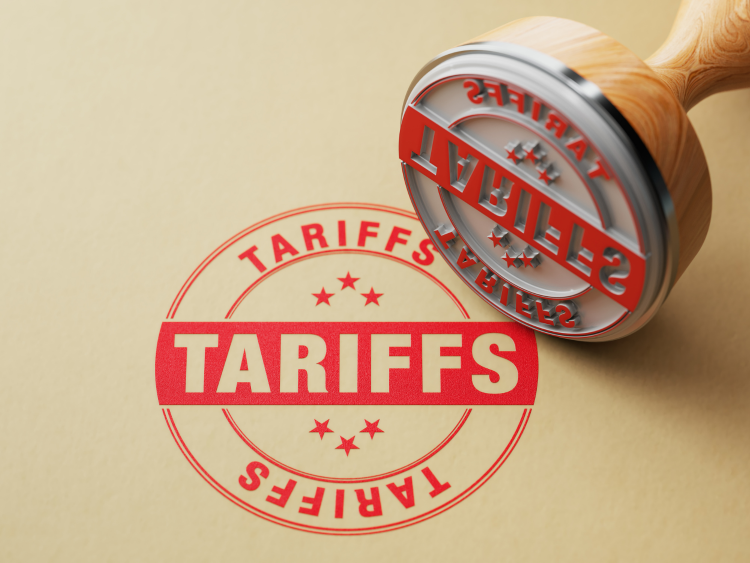
Tariffs & Trade: Key Trends, Policies, and Market Impact
A tariff is a tax imposed by a government on imported or exported goods. It is primarily used to regulate international trade by either encouraging domestic production or generating revenue for the government.

The Global Buy Now Pay Later (BNPL) Market: Growth and Opportunities
The global Buy Now Pay Later (BNPL) market has emerged as a revolutionary financial solution, transforming how consumers approach shopping and payments. Offering flexibility and convenience, BNPL allows consumers to make purchases and pay.