.png)

Agroindustries represent an evolving and strategic professional area that provides food and raw materials for the production of goods consumed by billions around the world. Farmers, policymakers, and other farming stakeholders look forward anxiously each year to crop trends, changes in market demand, and emerging technology likely to affect the future course of farming. In this yearly review, we look at important trends and insights that have shaped the agriculture market. We provide a complete picture of the challenges and opportunities the industry faces.
1. Technological Innovations Driving Precision, Agriculture:
Other big changes include the adoption of precision farming technologies. Such new tools integrate data analytics, sensors, and automation in crop production, resulting in less input being wasted, thereby enhancing efficiency among a host of other advantages. Drones fitted with special sensors offer real time information about crop health, soil conditions, and irrigation needs of the crops, which guides informed decisions by farmers. The use of AI and ML in deriving these insights makes them even better in creating farming practices that are truly sustainable and utilize resources judiciously.
2. Climate Resilience and Sustainable Agriculture Practices:
Climate change poses one of the biggest problems to farming around the world. Severe weather and shifting climates make it really difficult to grow crops. In return, farmers use sustainable farming to strengthen their activities and reduce the impact on the environment. Agroecology, organic farming, and regenerative agriculture are some of the upcoming methods to maintain soil health, save water, and reduce the usage of chemicals. Governments and organizations around the world are encouraging sustainable practices. They stress the need for a stronger and more eco friendly agricultural system.
3. Digital Platforms Revolutionizing Supply Chains:
Digital technologies have already started to transform the agriculture supply chain. The technology facilitates better interaction between farmers, distributors, and consumers, enabling them to buy or sell without much ado. Online marketplaces, blockchain technology, and smart contracts are making it easier to purchase or sell agricultural products. This digital transformation can bring transparency into the whole process and reduce complications in the supply chain. Fair prices can be guaranteed to farmers and timely receipts of quality produce to consumers. This integration closes the gap in rural and urban markets by changing the face of marketing and distribution in agricultural produce.
4. Specialty Crops and Niche Markets:
Staple crops are till the mainstay of agriculture globally; however, more and more farmers have embarked on specialized crops with niche markets. With greater consumer demand for novelty and excitement in foods, and with consumers being more health conscious, crops such as superfoods, organic herbs, and heirloom varieties have gained popularity. Farmers are looking into other ways of production and value addition to exploit these markets, which give opportunities for differentiation and value addition.
5. Challenges and Opportunities in Global Trade:
International trade plays a significant and essential role in agriculture. By allowing farmers to sell into multiple markets, it enables them to obtain a wide range of agricultural products. The issues faced by the sector include trade disputes, fluctuating tariffs, and disruptions due to global incidents. The COVID-19 pandemic has exposed vulnerabilities in global supply chains, forcing changes in trade strategies. Even amidst challenges, countries have opportunities to increase agricultural exports through strategic partnerships, new technologies, and sustainable practice systems that complement economic growth and food security.
6. The Impact of Data Analytics on Decision-Making
Farming has increasingly used analytics for decision-making. Farmers use analytics to increase their output and manage farm resources more effectively. Sophisticated analytics tools interpret data from multiple sources, including but not limited to weather trends, conditions of the soil, and past yield of crops, for workable advice. The recommendations given amply help farmers decide on the timing for planting, irrigation, and spraying pesticides to maximize yield and profit from the crops. With increased accessibility and affordability, these technologies are going to ensure data analytics reach and benefit more users. This is likely to revolutionize farming on both big and small scales.
Conclusion:
New technology, along with the need for sustainability in its activities and changes in global conditions, brings agriculture to a very critical juncture. Precision farming, sustainability of practices, digital tool applications, specialized marketing, and data analyses these are some of the significant components that would shape up the future in agriculture. Challenges and risks taken by practitioners assure the industry of massive development. Embracing innovation, fostering sustainable practices, and adapting to shifting market dynamics along with the need to feed a growing population finally positions agriculture to be at the core of creating a resilient and sustainable future. This annual analysis will provide a compass for farmers, policymakers, and industry players toward the direction of informed decision making and continued progress within the agricultural landscape.
Trending Posts

The Future of Artificial Intelligence
In recent years, the field of artificial intelligence (AI) has witnessed unprecedented growth and transformative advancements. As AI technologies

Global Silver Nanoparticles Market
The global silver nanoparticles market was valued at $2.08 billion in 2020, and is projected to reach $4.1 billion by 2027, growing at a CAGR of ~17%

Vaccination: Vaccination Against Measles is Now Mandatory in Germany
The subject of compulsory vaccination has always heated peoples minds and caused emotionally charged discussions. The latest law in this area - the ob

Sailing into the future with Autonomous Ships
Autonomous Vehicles (AVs) are the uproar of this era. After airways, thanks to the companies like Tesla, that people are now getting used to see drive

The Basic Pension Comes - Federal Cabinet Decides On the Pension Supplement
Financial security in old age is an issue that is causing stomach pains for more and more people in Germany. Low-wage earners fear the elderly. The ba

"LNG Bunkering" Here is something you must know!
In the current scenario of growing pollution, companies are trying to adapt more and more sustainable approach that not only gives eco-friendly result

Fact check on UV Disinfection for COVID-19
Many regulatory authorities and bodies believe that UV disinfection technologies can play a role in a multiple barrier approach to reducing the transm

Rapidly growing IT industry coupled with the trend of bringing your own device (BYOD) is expected to provide new opportunities for growth of Cloud Collaboration
Cloud collaboration is the process of sharing and co-authoring the computer-based work through cloud technology

Rising Demand For Uninterrupted Power Supply Is Expected To Drive The Power Rental Market
Todays world is totally reliant on electric power. There are many things which are not manageable without electricity. Power rental is a concept where

The Global Ventilator Market Grows at a CAGR of 7.75 %
The Global Ventilator Market, which was at $688 million in the year 2016, is about to double by the year 2025, and reach a value of $1,347 million. Th
Recent Posts

The Wellness Renaissance: Gen Z and Millennials Drive the Next Wave of Consumer Innovation
The wellness landscape is undergoing a generational transformation. No longer a domain reserved for luxury or corrective health, wellness has become a foundational lifestyle

Diabetes Prevention: A Strategic Imperative for Economic and Market Growth
As global economies grapple with the dual challenges of maintaining workforce productivity and controlling public health costs, the rise of diabetes—particularly type 2—has emerged as a silent disruptor.

How Drones Are Reshaping the Future of Modern Warfare
The contemporary battlefield is undergoing a paradigm shift, driven not by sheer manpower or conventional firepower, but by the silent hum of Unmanned Aerial Vehicles (UAVs)

Adapting to Gen Z: Strategies for Retail Success in the Digital Age
Generation Z—individuals born between 1997 and 2012—is fast becoming the most influential cohort in the consumer marketplace.

Cross-Border Conflict and Economic Instability in South Asia
In 2025, the subcontinent witnessed a perilous turn in India-Pakistan relations following a deadly terrorist incident in Pahalgam, which claimed 26 lives.

Transforming Market Research: The Strategic Impact of Generative AI
In a data-driven economy, market research has become a mission-critical function for organizations seeking sustained growth.

Gold at Historic Highs in 2025: Strategic Implications of a Flight to Safety
Gold has reached unprecedented valuation levels in 2025, crossing $3,175 per ounce globally and nearing ₹94,000 per 10 grams in India—a 23% increase year-to-date

The Escalating U.S.-China Trade War: Strategic Implications for the Global Economy in 2025
In 2025, the U.S.-China trade war has reached an inflection point, introducing heightened complexity and volatility into the global economic system.
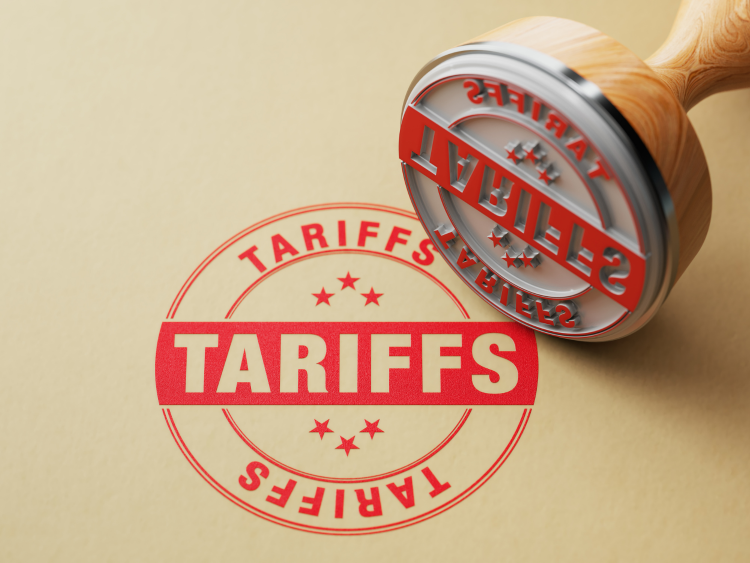
Tariffs & Trade: Key Trends, Policies, and Market Impact
A tariff is a tax imposed by a government on imported or exported goods. It is primarily used to regulate international trade by either encouraging domestic production or generating revenue for the government.

The Global Buy Now Pay Later (BNPL) Market: Growth and Opportunities
The global Buy Now Pay Later (BNPL) market has emerged as a revolutionary financial solution, transforming how consumers approach shopping and payments. Offering flexibility and convenience, BNPL allows consumers to make purchases and pay.