.png)
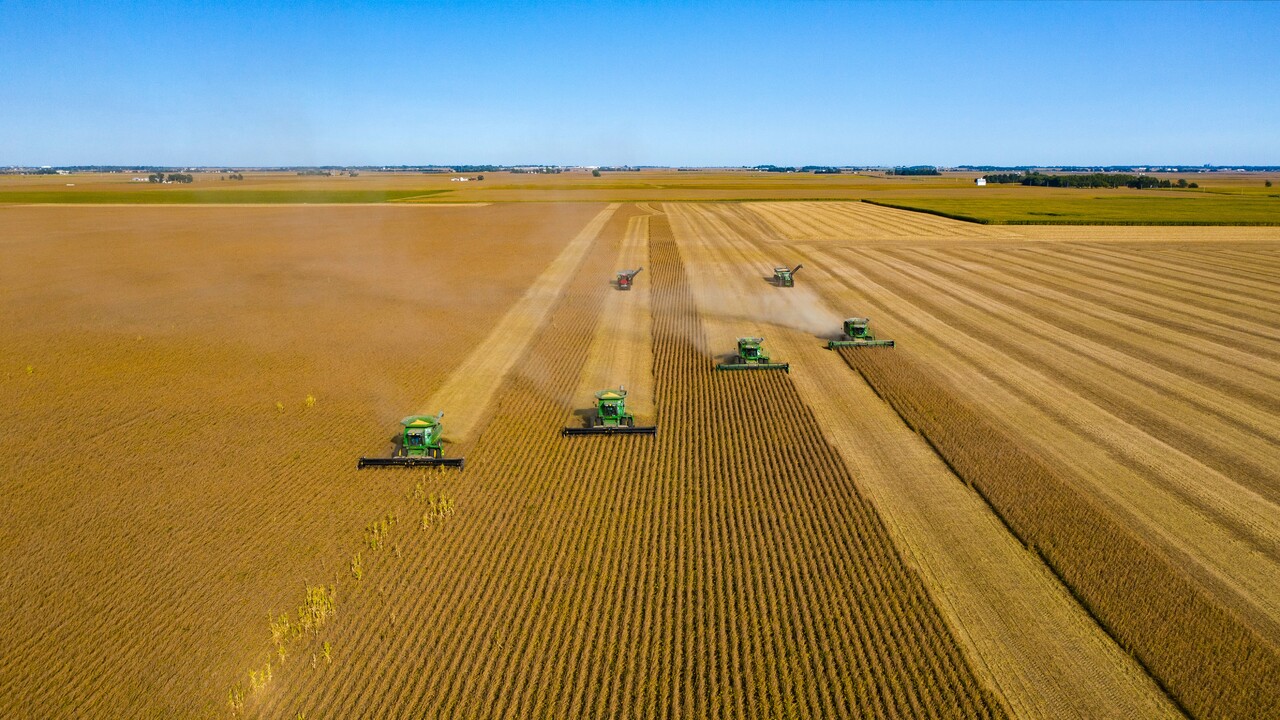
The farming area is changing a lot because of more people, climate change, and new technology. As the world's population grows, the need for food is increasing, which creates problems for farming. To ensure farming can continue in the future, it is important to predict and adjust to new trends by carefully studying the agriculture market. In the following in depth analysis, we'll take a look at the key trends at play in the agriculture industry that are informing planning for success by the farmer.
1. Technology Integration:
Technology is fast becoming an integral part of modern farming. It presents new opportunities that improve efficiency, sustainability, and accuracy. Precision farming involves the usage of sensors, drones, and GPS to enhance planting, watering, and harvesting. Artificial Intelligence and machine learning analyze data to assist farmers in making informed decisions that help them increase their yields. The use of technology will not only enhance productivity but also reduce costs and minimize environmental damage. Farmers who invest in technology adoption place themselves at the edge of such transformation in the industry.
2. Climate-Smart Agriculture:
With the current trends in climate change, farmers are increasingly being plagued by inconsistent weather, extremely high or low temperatures, and water shortage. Climate smart agriculture targets those sustainable methods that adapt to and try to minimize the impacts of climate change. This includes the use of drought tolerant crops, good water management, and maintaining soil health. By using climate smart agriculture, farmers can be more resilient toward environmental stressors and help ensure the sustainability of the sector in the long term.
3. Vertical Farming and Controlled Environment Agriculture (CEA):
Vertical farming and controlled environment agriculture are increasing due to urbanization and the lack of available farmland. The new methods mainly deal with indoor plant growth in tall stacks or with controlled atmosphere spaces. The usage of hydroponics, aeroponics, and other soilless systems, where optimization of resource use is possible, can reduce water wastes and grow crops even in places with extremely little space. Such kind of practice will be very helpful in farming both within the city and its environs through solving problems associated with urbanization while improving sustainability.
4. Consumer Demand for Sustainable and Local Produce:
Nowadays, people tend to be more concerned with the impact of food on the environment and society. Due to these changed perspectives, there is a growing demand for sustainable and locally sourced food. The farmers who emphasize sustainable practices, reducing their carbon footprint, and dealing directly with local markets stand to gain from this phenomenon. Building good relations with customers through openness and honesty will lead to loyal customers, thus helping the farm to stay in the market that is sensitive to social causes.
5. Digital Platforms and E-Commerce in Agriculture:
The digital revolution has transformed ways in which farmers connect to suppliers, buyers, and consumers. The online portals create easy access to a wide range of agricultural supplies and equipment and diverse markets for the farmers. E commerce helps farmers sell directly to their consumers, thereby cutting off middlemen to increase farmer profits. Knowing how to use the digital platforms creates new market opportunities and efficiency in the agricultural value chain. Using data analytics and blockchain contributes to easier tracking, hence guarantees of quality and safety of farm products.
6. Regenerative Agriculture:
Regenerative agriculture has become a popular concept of late, portraying a holistic approach to farming that aims at improving the health of the soils, biodiversity, and ecosystem services. Conservation of soil fertility can be regained by not excessively tilling the soil, planting cover crops, and rotating pastures. It also reduces the rate of application of unnatural products, which enables the farm to be more resilient and brings about climate change mitigation through carbon sequestration in the soils. Regenerative agriculture is a new way of farming that helps the environment and makes sure farmers can keep being productive for a long time.
Conclusion:
As farming is swiftly changing, farmers need to embrace new emerging trends and ideas to ensure food production for the future. Market analysis shall enable farmers to make the best choices and employ sustainable methods of food production so as to remain competent in the world market. Be it through using technology, smart climate practices, vertical farming, or online sales, the important part is being adaptable and thinking ahead. Preparation of farms for the future requires an approach in which all contributors in the farming community have to join efforts for a healthier and more robust future in view of the challenges and opportunities lying ahead. A combination of technology, sustainability, and consumer awareness will continue to affect the future of farming, and those farmers who learn to embrace these changes stand to benefit from a robust, productive, and sustainable farming sector.
Trending Posts

The Future of Artificial Intelligence
In recent years, the field of artificial intelligence (AI) has witnessed unprecedented growth and transformative advancements. As AI technologies

Global Silver Nanoparticles Market
The global silver nanoparticles market was valued at $2.08 billion in 2020, and is projected to reach $4.1 billion by 2027, growing at a CAGR of ~17%

Vaccination: Vaccination Against Measles is Now Mandatory in Germany
The subject of compulsory vaccination has always heated peoples minds and caused emotionally charged discussions. The latest law in this area - the ob

Sailing into the future with Autonomous Ships
Autonomous Vehicles (AVs) are the uproar of this era. After airways, thanks to the companies like Tesla, that people are now getting used to see drive

The Basic Pension Comes - Federal Cabinet Decides On the Pension Supplement
Financial security in old age is an issue that is causing stomach pains for more and more people in Germany. Low-wage earners fear the elderly. The ba

"LNG Bunkering" Here is something you must know!
In the current scenario of growing pollution, companies are trying to adapt more and more sustainable approach that not only gives eco-friendly result

Fact check on UV Disinfection for COVID-19
Many regulatory authorities and bodies believe that UV disinfection technologies can play a role in a multiple barrier approach to reducing the transm

Rapidly growing IT industry coupled with the trend of bringing your own device (BYOD) is expected to provide new opportunities for growth of Cloud Collaboration
Cloud collaboration is the process of sharing and co-authoring the computer-based work through cloud technology

Rising Demand For Uninterrupted Power Supply Is Expected To Drive The Power Rental Market
Todays world is totally reliant on electric power. There are many things which are not manageable without electricity. Power rental is a concept where

The Global Ventilator Market Grows at a CAGR of 7.75 %
The Global Ventilator Market, which was at $688 million in the year 2016, is about to double by the year 2025, and reach a value of $1,347 million. Th
Recent Posts

The Wellness Renaissance: Gen Z and Millennials Drive the Next Wave of Consumer Innovation
The wellness landscape is undergoing a generational transformation. No longer a domain reserved for luxury or corrective health, wellness has become a foundational lifestyle

Diabetes Prevention: A Strategic Imperative for Economic and Market Growth
As global economies grapple with the dual challenges of maintaining workforce productivity and controlling public health costs, the rise of diabetes—particularly type 2—has emerged as a silent disruptor.

How Drones Are Reshaping the Future of Modern Warfare
The contemporary battlefield is undergoing a paradigm shift, driven not by sheer manpower or conventional firepower, but by the silent hum of Unmanned Aerial Vehicles (UAVs)

Adapting to Gen Z: Strategies for Retail Success in the Digital Age
Generation Z—individuals born between 1997 and 2012—is fast becoming the most influential cohort in the consumer marketplace.

Cross-Border Conflict and Economic Instability in South Asia
In 2025, the subcontinent witnessed a perilous turn in India-Pakistan relations following a deadly terrorist incident in Pahalgam, which claimed 26 lives.

Transforming Market Research: The Strategic Impact of Generative AI
In a data-driven economy, market research has become a mission-critical function for organizations seeking sustained growth.

Gold at Historic Highs in 2025: Strategic Implications of a Flight to Safety
Gold has reached unprecedented valuation levels in 2025, crossing $3,175 per ounce globally and nearing ₹94,000 per 10 grams in India—a 23% increase year-to-date

The Escalating U.S.-China Trade War: Strategic Implications for the Global Economy in 2025
In 2025, the U.S.-China trade war has reached an inflection point, introducing heightened complexity and volatility into the global economic system.
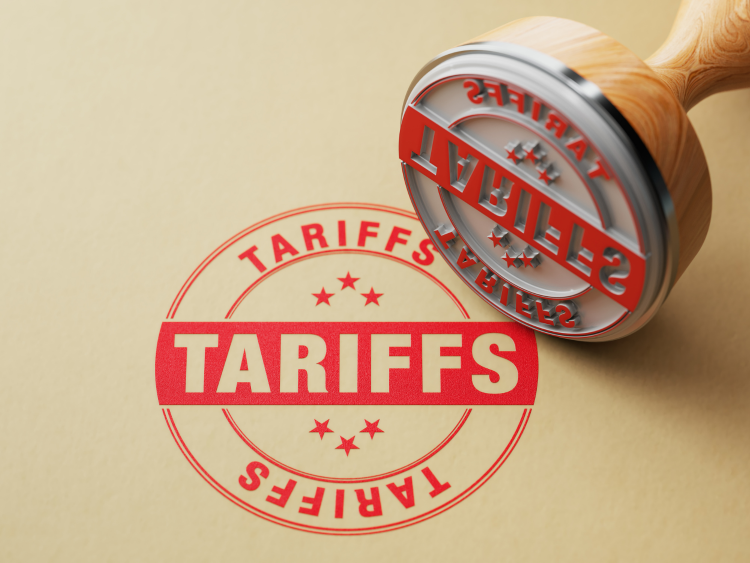
Tariffs & Trade: Key Trends, Policies, and Market Impact
A tariff is a tax imposed by a government on imported or exported goods. It is primarily used to regulate international trade by either encouraging domestic production or generating revenue for the government.

The Global Buy Now Pay Later (BNPL) Market: Growth and Opportunities
The global Buy Now Pay Later (BNPL) market has emerged as a revolutionary financial solution, transforming how consumers approach shopping and payments. Offering flexibility and convenience, BNPL allows consumers to make purchases and pay.