.png)
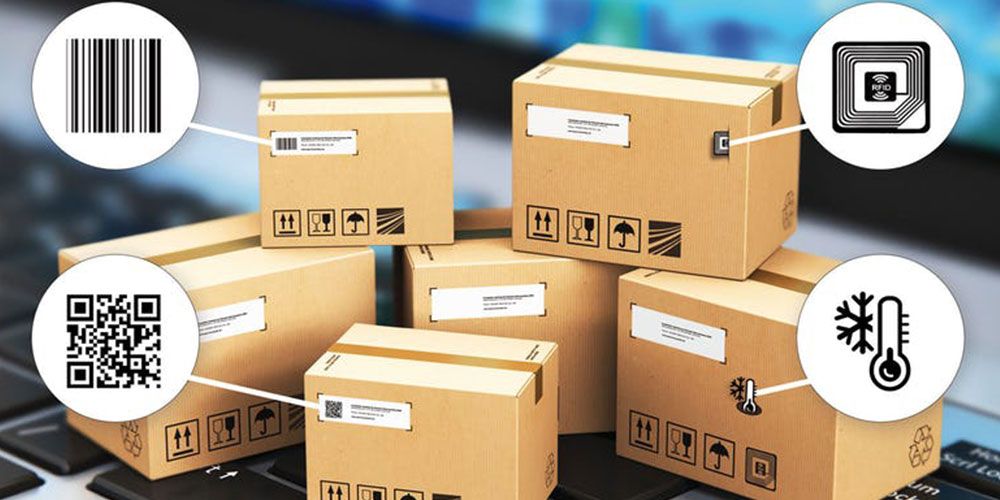
Two of the major industries in this dynamic global arena of commerce that greatly contribute to economic development are the packaging and construction industries. With the increased wave of globalization, businesses in these industries have sought ways to spread out globally. This paper describes how packaging and construction companies have developed different strategies that allow them to mitigate the associated challenges and make gains from the available opportunities in the global market.
Understanding the Global Landscape
Before outlining the specific strategies, it would be relevant to understand the current position of the global market for packaging and construction. These industries are being further driven today by some of the key elements like economic conditions, technology developments, and changing consumer behaviors. Growth opportunities come from emerging markets in Asia, Latin America, and Africa, while established markets like those of North America and Europe keep driving innovation.
Strategies for Packaging Industry Expansion
1. Adaptation to Local Preferences and Regulations:
Global expansion in the packaging industry begins with nuanced understanding of both the local preference and regulatory landscapes. On this, the company has to re engineer its packaging design in keeping with cultural norms and compliance with varying regulations. In this respect, such packages respect the local environment, language specific labelling, and consideration to product presentation according to regional aesthetics, all of which are critical to enhancing consumer acceptance. Rigorous research in terms of compliance with local regulations will ensure that the packaging meets the legal requirements and is consumer relevant to derive brand loyalty.
2. Sustainable Packaging Solutions:
As the world becomes increasingly interested in sustainability, companies involved in packaging are quickly shifting to greener alternatives. Apart from increasing the percentage of recycled material in their products, companies achieve sustainable packaging through energy efficiency in the processes and through product recyclability. Hence, the strategic interaction involved in a global expansion would be the configuration of sustainable practice to cater to the socio environmental setup of each market. Apart from just compliance with the increasing consumer needs for eco-sensitive products, this delineates a responsible player in the international marketplace.
Strategic Partnerships and Acquisitions
Partnerships and acquisitions are potent ways to enter new markets quickly. Companies in the packaging industry can learn about market dynamics with strategic partnerships between local distributors or manufacturers and set up a strong local presence. Acquiring established players in the target markets can bring instant market share and hasten adaptation to local practices besides smoothening the process of regulatory compliance. Seamless integration of global expertise with local knowledge has been the key to success for many such relationships.
Digital Transformation
Digital technologies are the key to the global success of the packaging landscape. Firms are turning to advanced manufacturing technologies, data analytics, and digital marketing in an effort to improve business efficiency and differentiation. The role played by digital platforms in smoothening operations is just as paramount as that done in real time market research, enabling companies to adjust and align their strategies better in light of changing consumer behaviors and market trends.
Strategies for Construction Industry Expansion
1. Market Research and Risk Assessment:
Global expansion in the construction industry is accompanied by detailed research into its target markets and associated risks. All local laws and traditions of building must be understood, together with the risks involved. Any successful company will work on proper feasibility studies with the intent to judge the viability of its projects in the new regions.
2. Customization to Local Building Standards:
Building codes and standards greatly differ from one country to another. Construction companies that are looking to undertake international projects tailor their designs and their techniques to meet local regulations. This adaptation to diverse building practices guarantees that the project is created will meet safety standards and levels of local architectural aesthetics.
3. Strategic Alliances with Local Partners:
The local construction firms bring valuable insights, experience, and established networks of relationships that help the expanding firm to navigate the regulatory challenges and cultural nuances. Partnering with the local construction firms and engaging through joint venture activities will improve the chances for a firm to succeed in a new market greatly.
4. Technology Integration and Innovation:
The construction industry is modernizing itself, and business houses sniffing international expansion are leading the charge of innovation. Some of the large areas these construction firms are targeting are robotics, building information modeling, and new advanced construction materials. Questioning the inclusion of state-of-the-art technologies that will increase efficiency and steal a march not only in running the construction business but also in global leadership.
5. Focus on Sustainable Construction Practices:
This problem is almost the same as with that in the packaging industry. Global expansion strategies therefore incorporate sustainable construction methods; this includes using eco friendly materials, reducing construction waste, and ensuring energy efficiency. This would not only go in accordance with the global trend but also add value to the company's goodwill as a socially responsible company.
Conclusion
The challenges and opportunities on the way to global market expansion in the industries of packaging and construction are essentially different. That is, the successful ones use adaptive strategies in a raft that encapsulates technologies, sustainability, strategic partnerships, and deep knowledge in markets. It will require, for dynamic and flexible approaches, the ability for global expansion through sustained growth and continuous success within these changing industries.
Trending Posts

The Future of Artificial Intelligence
In recent years, the field of artificial intelligence (AI) has witnessed unprecedented growth and transformative advancements. As AI technologies

Global Silver Nanoparticles Market
The global silver nanoparticles market was valued at $2.08 billion in 2020, and is projected to reach $4.1 billion by 2027, growing at a CAGR of ~17%

Vaccination: Vaccination Against Measles is Now Mandatory in Germany
The subject of compulsory vaccination has always heated peoples minds and caused emotionally charged discussions. The latest law in this area - the ob

Sailing into the future with Autonomous Ships
Autonomous Vehicles (AVs) are the uproar of this era. After airways, thanks to the companies like Tesla, that people are now getting used to see drive

The Basic Pension Comes - Federal Cabinet Decides On the Pension Supplement
Financial security in old age is an issue that is causing stomach pains for more and more people in Germany. Low-wage earners fear the elderly. The ba
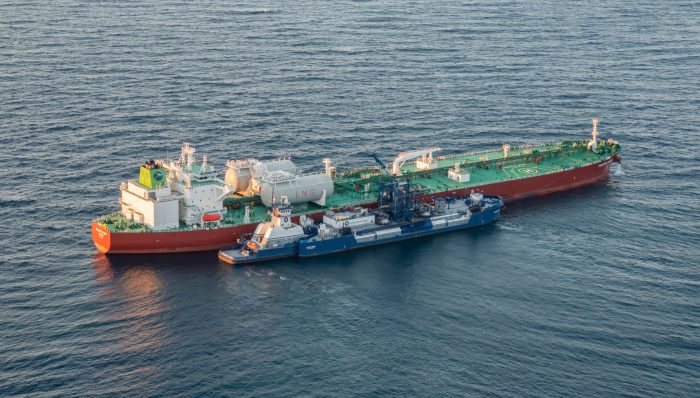
"LNG Bunkering" Here is something you must know!
In the current scenario of growing pollution, companies are trying to adapt more and more sustainable approach that not only gives eco-friendly result

Fact check on UV Disinfection for COVID-19
Many regulatory authorities and bodies believe that UV disinfection technologies can play a role in a multiple barrier approach to reducing the transm

Rapidly growing IT industry coupled with the trend of bringing your own device (BYOD) is expected to provide new opportunities for growth of Cloud Collaboration
Cloud collaboration is the process of sharing and co-authoring the computer-based work through cloud technology

Rising Demand For Uninterrupted Power Supply Is Expected To Drive The Power Rental Market
Todays world is totally reliant on electric power. There are many things which are not manageable without electricity. Power rental is a concept where

The Global Ventilator Market Grows at a CAGR of 7.75 %
The Global Ventilator Market, which was at $688 million in the year 2016, is about to double by the year 2025, and reach a value of $1,347 million. Th
Recent Posts

The Wellness Renaissance: Gen Z and Millennials Drive the Next Wave of Consumer Innovation
The wellness landscape is undergoing a generational transformation. No longer a domain reserved for luxury or corrective health, wellness has become a foundational lifestyle

Diabetes Prevention: A Strategic Imperative for Economic and Market Growth
As global economies grapple with the dual challenges of maintaining workforce productivity and controlling public health costs, the rise of diabetes—particularly type 2—has emerged as a silent disruptor.

How Drones Are Reshaping the Future of Modern Warfare
The contemporary battlefield is undergoing a paradigm shift, driven not by sheer manpower or conventional firepower, but by the silent hum of Unmanned Aerial Vehicles (UAVs)

Adapting to Gen Z: Strategies for Retail Success in the Digital Age
Generation Z—individuals born between 1997 and 2012—is fast becoming the most influential cohort in the consumer marketplace.

Cross-Border Conflict and Economic Instability in South Asia
In 2025, the subcontinent witnessed a perilous turn in India-Pakistan relations following a deadly terrorist incident in Pahalgam, which claimed 26 lives.

Transforming Market Research: The Strategic Impact of Generative AI
In a data-driven economy, market research has become a mission-critical function for organizations seeking sustained growth.

Gold at Historic Highs in 2025: Strategic Implications of a Flight to Safety
Gold has reached unprecedented valuation levels in 2025, crossing $3,175 per ounce globally and nearing ₹94,000 per 10 grams in India—a 23% increase year-to-date

The Escalating U.S.-China Trade War: Strategic Implications for the Global Economy in 2025
In 2025, the U.S.-China trade war has reached an inflection point, introducing heightened complexity and volatility into the global economic system.
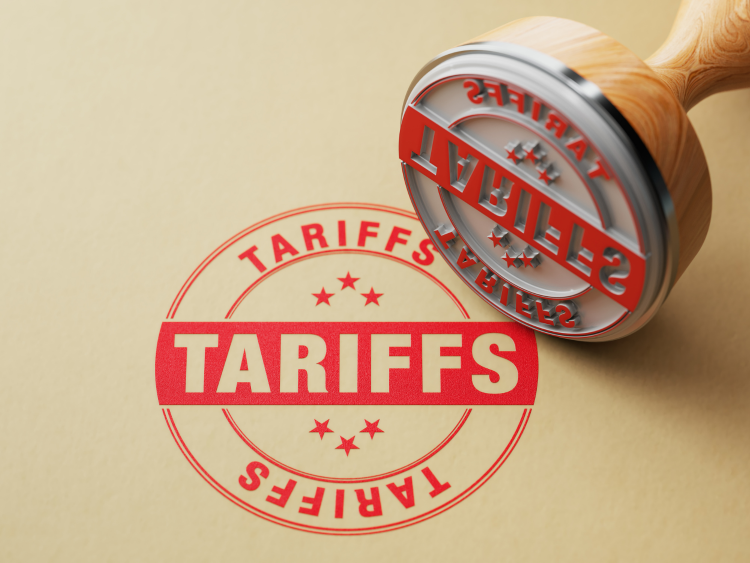
Tariffs & Trade: Key Trends, Policies, and Market Impact
A tariff is a tax imposed by a government on imported or exported goods. It is primarily used to regulate international trade by either encouraging domestic production or generating revenue for the government.

The Global Buy Now Pay Later (BNPL) Market: Growth and Opportunities
The global Buy Now Pay Later (BNPL) market has emerged as a revolutionary financial solution, transforming how consumers approach shopping and payments. Offering flexibility and convenience, BNPL allows consumers to make purchases and pay.