.png)
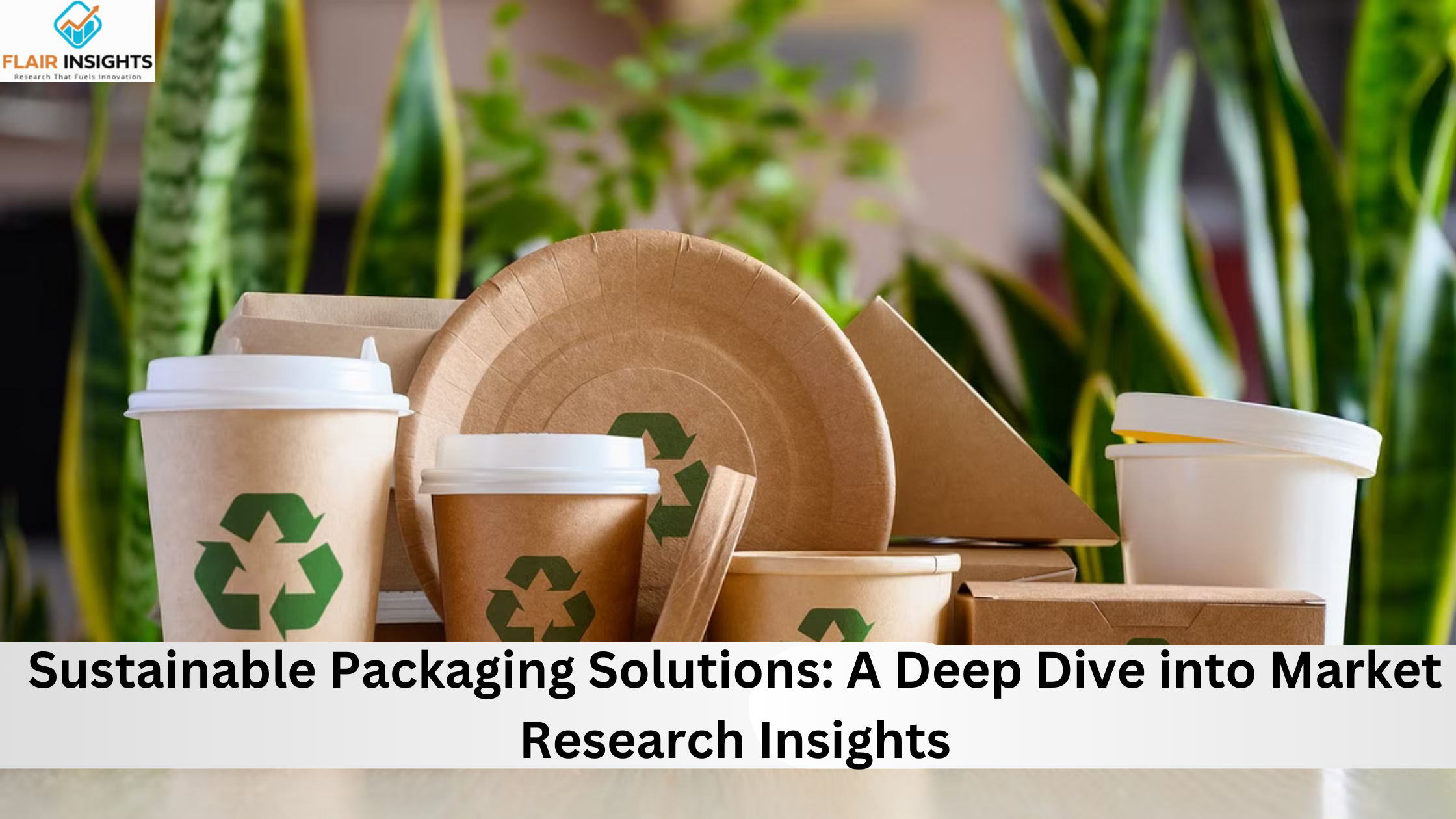
In the last years, the world has become more environmentally conscious, and thus sustainability has come to the forefront of both businesses and consumer emphasis. A trend shift in this regard is evident in one key area of packaging solutions. Growing concerns over climate change, pollution, and resource depletion have led to increased demand for sustainable packaging solutions. This paper examines the market research insights into sustainable packaging: trends, challenges, innovations, and the effect on business and the environment.
I. Market Overview:
The global market in sustainable packaging has so far developed in response to growing environmental consciousness. According to recent market research, the market is projected to be valued at over $400 billion by 2025 at a compound annual growth rate of about 6.5%. This growth shall be driven by various factors such as enhanced awareness, regulatory pressure, and changing consumer preferences.
II. Key Trends Driving Sustainable Packaging Adoption:
a. Consumer Preferences:
Another reason for favoring sustainable packaging is the growing consumer demand for eco friendly products. Research has shown that a large percentage of consumers throughout the world are ready to pay a premium for green packages. In response to such changes in consumer behavior, most brands have to revisit strategies relating to packaging and bring them in line with sustainability goals.
b. Regulatory Landscape:
Governments and international bodies have enacted regulations and policies to reduce the impact of packaging materials on the environment by restricting single use plastics, mandating recyclable materials, and setting in place EPR programs. Consequently, business enterprises are under pressure to work towards adopting sustainable packaging practices so as to be able to comply with these regulations.
c. Circular Economy Initiatives:
A new concept that has been introduced into the packaging industry is the circular economy, which involves reusing, recycling, or purposing material. Brands have started looking for innovation in designing packaging that will work with this model of the circular economy through the reduction of waste and environmental impacts. This is not only an environmentally responsible trend but also economically viable in the long run.
III. Sustainable Packaging Materials:
a. Biodegradable Plastics:
Biodegradable plastics in development and reaching the market provide a significant route to sustainable packaging. Materials derived from renewable resources or designed to break down naturally help solve plastic pollution. However, cost, scalability, and special disposal requirements are problems that need to be met for full scale adoption.
b. Recycled Materials:
Recycled materials in packaging are really very common, from recycled paper to cardboard, glass, and metal. The brands are not only constructing the recycled content into their packaging but also letting consumers know about it, using it as a marketing tool.
c. Plant-Based Alternatives:
Even more interesting are innovations in plant based materials for example, bioplastics produced from corn or sugarcane. These provide a renewable and often compostable alternative to traditional plastics. But how far these can be scaled up without impinging on food production is still a matter of careful debate.
IV. Challenges and Opportunities:
a. Cost Implications:
ut for a few businesses, these upfront costs with regard to material and process change might act as a barrier as demands for sustainable packaging increase. These, however, might be outweighed by long-term benefits such as brand reputation.
b. Education and Communication:
In reality, one challenge exists in consumer awareness the move towards sustainable packaging resonating with brands efforts to educate consumers on the environmental benefits of their packaging choices. Transparent communication of the sustainable action can breed trust and foster loyalty towards the brand.
c. Innovation and Collaboration:
Businesses, universities and governments are teaming up to help bring fresh ideas into the packaging industry, ranging from advanced recycling technologies to creative design approaches. These represent new opportunities to develop sustainable packaging in a sustainable way.
V. Environmental Impact:
Sustainable packaging directly reduces emissions of carbon, depletion of resources, and pollution. It is also through effective material selection, optimization of the design itself, and application of the principles of a circular economy in which businesses can make huge contributions toward environmental conservation.
VI. Business Strategies for Sustainable Packaging Adoption:
a. Brand Differentiation:
Such packaging offers an opportunity for unique differentiation within an overcrowded marketplace. Businesses that are vocal about their eco friendly packaging solution will draw this segment of environmentally aware consumers to their brand image.
b. Life Cycle Assessment:
An LCA for packaging material gives companies an idea of the environmental impact their packaging has from cradle to grave. Such a holistic approach allows making informed decisions on the selection of materials that have the least total environmental impact.
c. Collaboration in the Supply Chain:
In this respect, collaboration in the supply chain is critical to the successful implementation of sustainable packaging solutions. Suppliers, manufacturers, and distributors are engaged in ensuring the sustainability of a product throughout its entire life cycle.
VII. Future Outlook and Innovation:
a. Advanced Recycling Technologies:
Some of the emerging technologies that show potential in advanced recycling could be either chemical recycling or depolymerization, enabling the thematic solution to a great many problems in the traditional recycling process. Many more materials will be handled and high quality recycled content produced by these technologies.
b. Smart Packaging:
The integration of RFID tags, QR codes into the packaging, etc., helps in traceability and management of recycling. Smart packaging solutions can bring transparency to consumers for informed choices and effective recycling processes.
c. Sustainable Design Thinking:
In a world where this sustainable design thinking is adopted material efficiency, ease of recyclability, and minimalistic packaging lies a key driver of future innovations. Companies embracing sustainable design will be in a good position to give rise to packaging solutions that are both beautiful and responsible.
VIII. Conclusion:
Sustainable packaging has moved from being a fad to portending a sea change in the packaging and associated industry. Companies that will take the lead in embracing sustainable practices shall be contributing not only to the conservation of the environment but also taking leadership in a market where responsible choices are increasingly required by consumers. Lastly, since the industry is ever dynamic, innovation, collaboration, and commitment to open communication will drive the adoption of the best solutions for packaging sustainability.
Trending Posts

The Future of Artificial Intelligence
In recent years, the field of artificial intelligence (AI) has witnessed unprecedented growth and transformative advancements. As AI technologies

Global Silver Nanoparticles Market
The global silver nanoparticles market was valued at $2.08 billion in 2020, and is projected to reach $4.1 billion by 2027, growing at a CAGR of ~17%

Vaccination: Vaccination Against Measles is Now Mandatory in Germany
The subject of compulsory vaccination has always heated peoples minds and caused emotionally charged discussions. The latest law in this area - the ob

Sailing into the future with Autonomous Ships
Autonomous Vehicles (AVs) are the uproar of this era. After airways, thanks to the companies like Tesla, that people are now getting used to see drive

The Basic Pension Comes - Federal Cabinet Decides On the Pension Supplement
Financial security in old age is an issue that is causing stomach pains for more and more people in Germany. Low-wage earners fear the elderly. The ba

"LNG Bunkering" Here is something you must know!
In the current scenario of growing pollution, companies are trying to adapt more and more sustainable approach that not only gives eco-friendly result

Fact check on UV Disinfection for COVID-19
Many regulatory authorities and bodies believe that UV disinfection technologies can play a role in a multiple barrier approach to reducing the transm

Rapidly growing IT industry coupled with the trend of bringing your own device (BYOD) is expected to provide new opportunities for growth of Cloud Collaboration
Cloud collaboration is the process of sharing and co-authoring the computer-based work through cloud technology

Rising Demand For Uninterrupted Power Supply Is Expected To Drive The Power Rental Market
Todays world is totally reliant on electric power. There are many things which are not manageable without electricity. Power rental is a concept where

The Global Ventilator Market Grows at a CAGR of 7.75 %
The Global Ventilator Market, which was at $688 million in the year 2016, is about to double by the year 2025, and reach a value of $1,347 million. Th
Recent Posts

The Wellness Renaissance: Gen Z and Millennials Drive the Next Wave of Consumer Innovation
The wellness landscape is undergoing a generational transformation. No longer a domain reserved for luxury or corrective health, wellness has become a foundational lifestyle

Diabetes Prevention: A Strategic Imperative for Economic and Market Growth
As global economies grapple with the dual challenges of maintaining workforce productivity and controlling public health costs, the rise of diabetes—particularly type 2—has emerged as a silent disruptor.

How Drones Are Reshaping the Future of Modern Warfare
The contemporary battlefield is undergoing a paradigm shift, driven not by sheer manpower or conventional firepower, but by the silent hum of Unmanned Aerial Vehicles (UAVs)

Adapting to Gen Z: Strategies for Retail Success in the Digital Age
Generation Z—individuals born between 1997 and 2012—is fast becoming the most influential cohort in the consumer marketplace.

Cross-Border Conflict and Economic Instability in South Asia
In 2025, the subcontinent witnessed a perilous turn in India-Pakistan relations following a deadly terrorist incident in Pahalgam, which claimed 26 lives.

Transforming Market Research: The Strategic Impact of Generative AI
In a data-driven economy, market research has become a mission-critical function for organizations seeking sustained growth.

Gold at Historic Highs in 2025: Strategic Implications of a Flight to Safety
Gold has reached unprecedented valuation levels in 2025, crossing $3,175 per ounce globally and nearing ₹94,000 per 10 grams in India—a 23% increase year-to-date

The Escalating U.S.-China Trade War: Strategic Implications for the Global Economy in 2025
In 2025, the U.S.-China trade war has reached an inflection point, introducing heightened complexity and volatility into the global economic system.
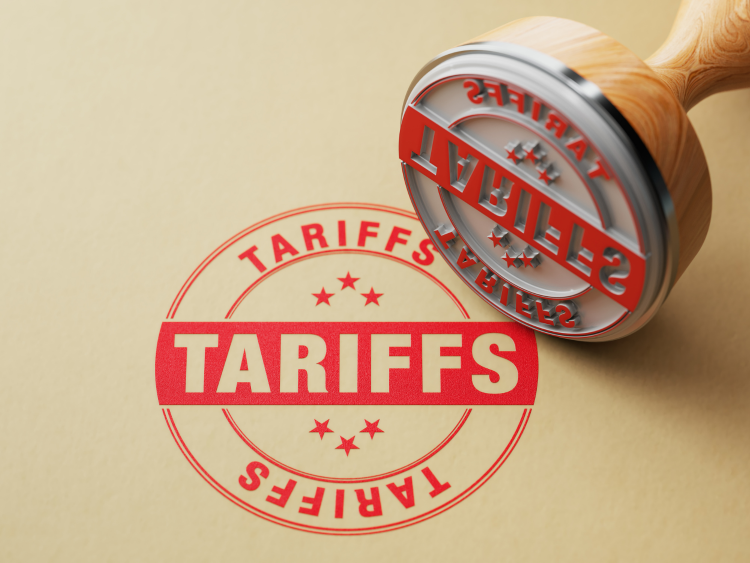
Tariffs & Trade: Key Trends, Policies, and Market Impact
A tariff is a tax imposed by a government on imported or exported goods. It is primarily used to regulate international trade by either encouraging domestic production or generating revenue for the government.

The Global Buy Now Pay Later (BNPL) Market: Growth and Opportunities
The global Buy Now Pay Later (BNPL) market has emerged as a revolutionary financial solution, transforming how consumers approach shopping and payments. Offering flexibility and convenience, BNPL allows consumers to make purchases and pay.