.png)

Telemedicine is highly gaining momentum in the healthcare sector, finding its widespread use in recent years. The amalgamation of technology and health services has changed the medical services from mere provision to delivery. This paper describes the recent status of telemedicine and discusses a few research findings that predict the market trends which are going to shape its future.
1. Rapid Growth in Utilization of Telemedicine:
The COVID-19 epidemic resulted in a sharp rise in the usage of telemedicine. Since lockdowns were imposed, virtual consultation started getting widely used by patients and health workers as a safer option to keep social distancing in mind. Research studies infact estimate that the telemedicine market will be showing growth in the next five years with a compound annual growth rate of over X%.
The rise in telemedicine usage during the pandemic justifies the significance that it potentially helps to provide continual healthcare. The patients, who were unsure initially, have accepted the ease of online consultations. This change in thinking and the growth of services in telehealth strengthens telemedicine as a lasting and key part of future healthcare.
2. Technology Development for Innovation:
This growth in telemedicine today has been largely observed to be associated with the continued advancement of technology. There has been ongoing enhancement of telemedicine platforms with technologies like AI, machine learning, and virtual reality in providing better diagnosis, treatment plans, and interactive patient experiences. Ongoing research into these fields is, therefore, likely to bring more advances that could make telemedicine a smarter and more effective tool in healthcare.
New technological advances are making telemedicine the mainstream in healthcare. AI-driven diagnostics help make diagnoses easier and even go further with the capability of prediction and prevention of health problems. As more researchers investigate the capability of technology, new ideas collaborated with telemedicine will be about redefining patient experiences and improving health outcomes.
3. Increase in Telemedicine Services:
This is now bringing in a bucket load of new telehealth services to the industry, such as remote patient monitoring, virtual health coaching, and digital treatments. A study further shows that there is increasing interest in the use of wearables and IoT devices to track vital signs of the patient and real-time health information. A transition to a full-blown telehealth system would seem to portend better patient outcomes and lower costs over time.
Telehealth services have started to grow, gradually representing total health. For instance, remote patient monitoring helps track ongoing health issues at all times; this allows for timely assistance, along with personalized care plans. The transformation makes telehealth not only a method of responding to health needs but also one of preventing health issues, thereby meeting diverse patient needs.
4. Landscape of Regulations and Reimbursement Policies:
With the increasing use of telemedicine, regulatory bodies are working to develop guidelines and rules that ensure safety and ethical conduct. Research indicates a trend toward increased collaboration among healthcare providers and policymakers in making the rules regarding telemedicine friendly and easy to work with. In addition, continuous efforts at making payment policies for virtual consultations more accommodating serve to further drive the affordability of telehealth services, hence increased market growth.
Regulation is turning flexible, usually thought to be fit for supporting the vagaries of telemedicine subtly. This necessitates working hand in glove between the regulators and health care entities in finding one's way through the complexities associated with virtual healthcare. Besides being a financial incentive, the continuing refinement in reimbursement policies represents a strategic move to make telemedicine a mainstream sustainable model in the delivery of healthcare.
5. Addressing Healthcare Disparities:
Telemedicine has the potential to address healthcare disparities by increasing access to medical services in underserved areas. Research indicates that telemedicine is bridging the gap between urban and rural healthcare, providing remote populations with timely and efficient healthcare solutions. As technology continues to advance, telemedicine is expected to play a pivotal role in creating a more equitable healthcare landscape.
The impact of telemedicine on healthcare disparities extends beyond geographical boundaries. It is becoming a catalyst for addressing socioeconomic factors that contribute to unequal access to healthcare. By facilitating remote consultations and reducing barriers, telemedicine becomes a transformative force in promoting health equity making quality healthcare accessible to all, irrespective of their location or socio-economic status.
6. Cybersecurity Challenges and Solutions:
The rise of telemedicine has brought to light the importance of robust cybersecurity measures to protect sensitive patient data. Research insights emphasize the need for ongoing developments in cybersecurity solutions tailored to the unique challenges of telehealth platforms. As the industry continues to evolve, addressing cybersecurity concerns will be crucial in maintaining trust among both healthcare providers and patients.
As telemedicine expands its reach the security of patient information becomes paramount. Cybersecurity researchers are actively developing solutions to fortify telehealth platforms against potential threats. This commitment to data security is not only a legal and ethical imperative but also fundamental in fostering patient confidence in telemedicine as a secure and reliable mode of healthcare delivery. Ongoing advancements in encryption, authentication, and secure data transmission are integral components in building a robust cybersecurity framework for telemedicine.
Conclusion:
The telemedicine revolution is reshaping the healthcare landscape, driven by technological advancements, regulatory support, and a commitment to improving patient outcomes. Anticipating market trends through research insights allows healthcare professionals, policymakers, and industry stakeholders to stay ahead in this dynamic and rapidly evolving field. As the telemedicine journey continues ongoing research and innovation will be undoubtedly play a central role in shaping its future trajectory.
Trending Posts

The Future of Artificial Intelligence
In recent years, the field of artificial intelligence (AI) has witnessed unprecedented growth and transformative advancements. As AI technologies

Global Silver Nanoparticles Market
The global silver nanoparticles market was valued at $2.08 billion in 2020, and is projected to reach $4.1 billion by 2027, growing at a CAGR of ~17%

Vaccination: Vaccination Against Measles is Now Mandatory in Germany
The subject of compulsory vaccination has always heated peoples minds and caused emotionally charged discussions. The latest law in this area - the ob

Sailing into the future with Autonomous Ships
Autonomous Vehicles (AVs) are the uproar of this era. After airways, thanks to the companies like Tesla, that people are now getting used to see drive

The Basic Pension Comes - Federal Cabinet Decides On the Pension Supplement
Financial security in old age is an issue that is causing stomach pains for more and more people in Germany. Low-wage earners fear the elderly. The ba

"LNG Bunkering" Here is something you must know!
In the current scenario of growing pollution, companies are trying to adapt more and more sustainable approach that not only gives eco-friendly result

Fact check on UV Disinfection for COVID-19
Many regulatory authorities and bodies believe that UV disinfection technologies can play a role in a multiple barrier approach to reducing the transm

Rapidly growing IT industry coupled with the trend of bringing your own device (BYOD) is expected to provide new opportunities for growth of Cloud Collaboration
Cloud collaboration is the process of sharing and co-authoring the computer-based work through cloud technology

Rising Demand For Uninterrupted Power Supply Is Expected To Drive The Power Rental Market
Todays world is totally reliant on electric power. There are many things which are not manageable without electricity. Power rental is a concept where
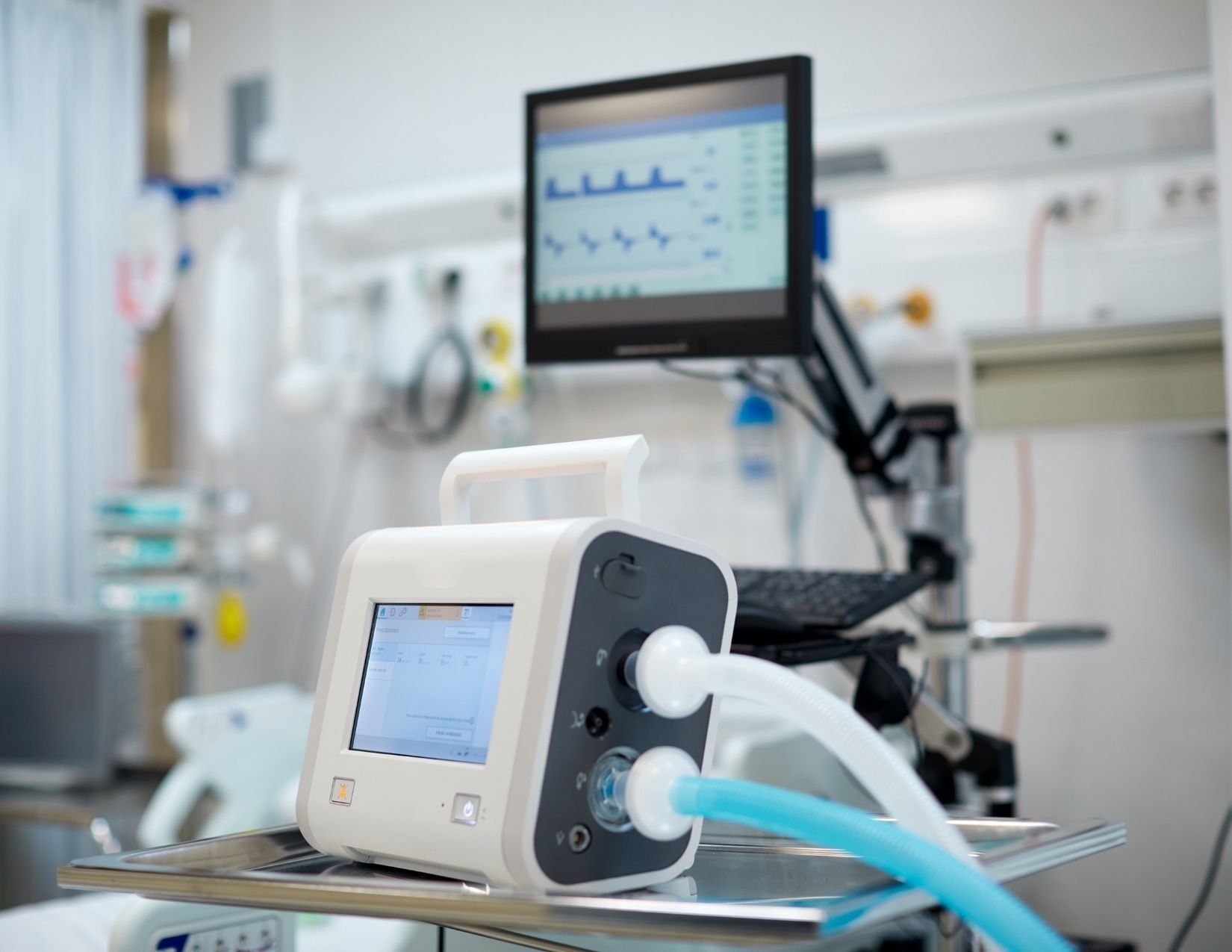
The Global Ventilator Market Grows at a CAGR of 7.75 %
The Global Ventilator Market, which was at $688 million in the year 2016, is about to double by the year 2025, and reach a value of $1,347 million. Th
Recent Posts

The Wellness Renaissance: Gen Z and Millennials Drive the Next Wave of Consumer Innovation
The wellness landscape is undergoing a generational transformation. No longer a domain reserved for luxury or corrective health, wellness has become a foundational lifestyle

Diabetes Prevention: A Strategic Imperative for Economic and Market Growth
As global economies grapple with the dual challenges of maintaining workforce productivity and controlling public health costs, the rise of diabetes—particularly type 2—has emerged as a silent disruptor.

How Drones Are Reshaping the Future of Modern Warfare
The contemporary battlefield is undergoing a paradigm shift, driven not by sheer manpower or conventional firepower, but by the silent hum of Unmanned Aerial Vehicles (UAVs)

Adapting to Gen Z: Strategies for Retail Success in the Digital Age
Generation Z—individuals born between 1997 and 2012—is fast becoming the most influential cohort in the consumer marketplace.

Cross-Border Conflict and Economic Instability in South Asia
In 2025, the subcontinent witnessed a perilous turn in India-Pakistan relations following a deadly terrorist incident in Pahalgam, which claimed 26 lives.

Transforming Market Research: The Strategic Impact of Generative AI
In a data-driven economy, market research has become a mission-critical function for organizations seeking sustained growth.

Gold at Historic Highs in 2025: Strategic Implications of a Flight to Safety
Gold has reached unprecedented valuation levels in 2025, crossing $3,175 per ounce globally and nearing ₹94,000 per 10 grams in India—a 23% increase year-to-date

The Escalating U.S.-China Trade War: Strategic Implications for the Global Economy in 2025
In 2025, the U.S.-China trade war has reached an inflection point, introducing heightened complexity and volatility into the global economic system.

Tariffs & Trade: Key Trends, Policies, and Market Impact
A tariff is a tax imposed by a government on imported or exported goods. It is primarily used to regulate international trade by either encouraging domestic production or generating revenue for the government.

The Global Buy Now Pay Later (BNPL) Market: Growth and Opportunities
The global Buy Now Pay Later (BNPL) market has emerged as a revolutionary financial solution, transforming how consumers approach shopping and payments. Offering flexibility and convenience, BNPL allows consumers to make purchases and pay.