.png)
The way we move is changing a lot because of new technology, what people want, and worldwide efforts for a cleaner environment. As we progress further into the 21st century, the future of transportation is a plethora of new ideas which shape the way we travel. This in depth market research study examines the key trends, new technologies, market changes, and the emerging system that will define the future of mobility.
I. Shifting Paradigms in Transportation:
1. Electric Vehicles (EVs):
Electricity is the future of mobility. Most governments in the world have undertaken ambitious targets for transitioning towards electric mobility with a view to reducing carbon emissions and effectively combating climate change. The rise of electric mobility invites large-scale investments by traditional automakers and technology companies, thereby triggering further advances in battery technologies and charging infrastructure.
2. Autonomous Vehicles:
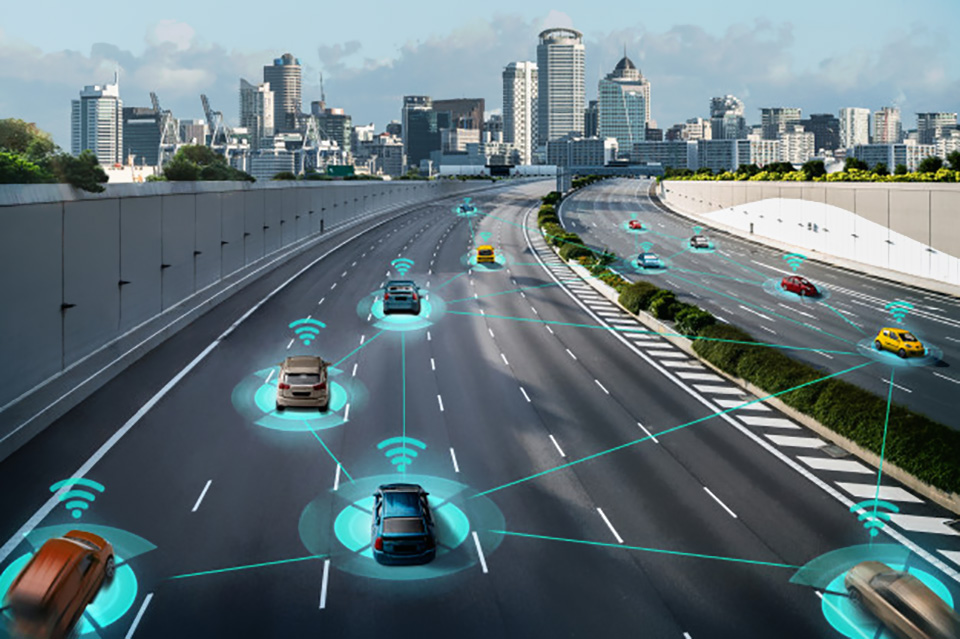
Transportation will soon change with the arrival of self driving cars. Several companies are investing heavily in research and development to introduce fully self driving cars. Artificial intelligence, sensors, and machine learning make self driving vehicles much safer and efficient, which may have an effect on ride sharing services, public transport, and delivery services.
II. Connectivity and Smart Infrastructure:
1. 5G Technology:
This 5G technology will further enhance future transport connections. With faster and more reliable communication networks, vehicles, roads, and smart devices can share information in real time. It not only makes the view for safety and navigation superior but also builds and improves self driving cars.
2. Smart Cities and Infrastructure:
It is very well understood that the concept of smart cities is fast gaining momentum, wherein mobility solutions are to be embedded within the city architecture. Coupled with Intelligent Traffic Management, connected infrastructure, and data driven decision making will facilitate transportation efficiency, congestion reduction, and ultimately improved urban mobility.
III. Evolving Mobility Services:
1. Ride-Sharing and Mobility-as-a-Service (MaaS):
Ride sharing apps and the concept of Mobility as a Service are changing the mindset about the usage of transport. There is a development toward merging various modes of transportation into an integrated, user friendly platform. This trend toward shared transportation reduces the need to own a car, impacting the car industry and urban transportation planning.
2. Micro-Mobility Solutions:
The future of getting around goes beyond just regular ways to travel. Electric scooters, bikes, and other small transport options are becoming important parts of city transport systems. These light and eco friendly choices provide easy and convenient ways to travel short distances, helping to decrease traffic jams and harm to the environment.
IV. Environmental Sustainability and Regulatory Landscape:
1. Emission Regulations:
Governments around the world are making stricter rules about emissions to help the environment. These tough emission standards are pushing car makers to use cleaner technologies, like electric and hydrogen powered vehicles. This change is affecting how car companies plan for the future and is leading to more sustainable transportation.
2. Global Collaborations and Initiatives:
The future of mobility involves more than technology it's also about collaboration across the globe. Global initiatives, such as the Paris Agreement, are driving legislation and inspiring collaboration among governments, private enterprise, and environmental entities to develop mobility solutions that are both sustainable and equitable for all.
V. Challenges and Considerations:
1. Infrastructure Gaps:
In fact, electric vehicles will only find mass usage, as will autonomous driving, when a far reaching charging infrastructure and the construction of smart cities are in place. The need to bridge the gaps in infrastructures is significant for seamless integration of new mobility solutions.
2. Data Security and Privacy Concerns:
The future interconnectivity of the transport system raises much concern regarding data safety and privacy. The more connected or driverless vehicles, the more protection sensitive information should receive from cyber threats.
VI. Conclusion:
The future of mobility is a maze of new technology, changing demand, and a shared commitment to sustainability. Electric cars, self driving transport, smart highways, and new mobility services are converging to transform the way people get around towns and cities. At the crossroads of change, the automakers and other stakeholders must learn to cope with the situation, rise to challenges, and avail opportunities toward shaping a greener and efficient future of mobility. The synergy of public and private sectors apart, continuous technological advances will determine the course of mobility over the next few years.
Trending Posts
The Future of Artificial Intelligence
In recent years, the field of artificial intelligence (AI) has witnessed unprecedented growth and transformative advancements. As AI technologies

Global Silver Nanoparticles Market
The global silver nanoparticles market was valued at $2.08 billion in 2020, and is projected to reach $4.1 billion by 2027, growing at a CAGR of ~17%

Vaccination: Vaccination Against Measles is Now Mandatory in Germany
The subject of compulsory vaccination has always heated peoples minds and caused emotionally charged discussions. The latest law in this area - the ob

Sailing into the future with Autonomous Ships
Autonomous Vehicles (AVs) are the uproar of this era. After airways, thanks to the companies like Tesla, that people are now getting used to see drive

The Basic Pension Comes - Federal Cabinet Decides On the Pension Supplement
Financial security in old age is an issue that is causing stomach pains for more and more people in Germany. Low-wage earners fear the elderly. The ba

"LNG Bunkering" Here is something you must know!
In the current scenario of growing pollution, companies are trying to adapt more and more sustainable approach that not only gives eco-friendly result

Fact check on UV Disinfection for COVID-19
Many regulatory authorities and bodies believe that UV disinfection technologies can play a role in a multiple barrier approach to reducing the transm

Rapidly growing IT industry coupled with the trend of bringing your own device (BYOD) is expected to provide new opportunities for growth of Cloud Collaboration
Cloud collaboration is the process of sharing and co-authoring the computer-based work through cloud technology

Rising Demand For Uninterrupted Power Supply Is Expected To Drive The Power Rental Market
Todays world is totally reliant on electric power. There are many things which are not manageable without electricity. Power rental is a concept where
The Global Ventilator Market Grows at a CAGR of 7.75 %
The Global Ventilator Market, which was at $688 million in the year 2016, is about to double by the year 2025, and reach a value of $1,347 million. Th
Recent Posts

The Wellness Renaissance: Gen Z and Millennials Drive the Next Wave of Consumer Innovation
The wellness landscape is undergoing a generational transformation. No longer a domain reserved for luxury or corrective health, wellness has become a foundational lifestyle

Diabetes Prevention: A Strategic Imperative for Economic and Market Growth
As global economies grapple with the dual challenges of maintaining workforce productivity and controlling public health costs, the rise of diabetes—particularly type 2—has emerged as a silent disruptor.

How Drones Are Reshaping the Future of Modern Warfare
The contemporary battlefield is undergoing a paradigm shift, driven not by sheer manpower or conventional firepower, but by the silent hum of Unmanned Aerial Vehicles (UAVs)

Adapting to Gen Z: Strategies for Retail Success in the Digital Age
Generation Z—individuals born between 1997 and 2012—is fast becoming the most influential cohort in the consumer marketplace.

Cross-Border Conflict and Economic Instability in South Asia
In 2025, the subcontinent witnessed a perilous turn in India-Pakistan relations following a deadly terrorist incident in Pahalgam, which claimed 26 lives.

Transforming Market Research: The Strategic Impact of Generative AI
In a data-driven economy, market research has become a mission-critical function for organizations seeking sustained growth.

Gold at Historic Highs in 2025: Strategic Implications of a Flight to Safety
Gold has reached unprecedented valuation levels in 2025, crossing $3,175 per ounce globally and nearing ₹94,000 per 10 grams in India—a 23% increase year-to-date

The Escalating U.S.-China Trade War: Strategic Implications for the Global Economy in 2025
In 2025, the U.S.-China trade war has reached an inflection point, introducing heightened complexity and volatility into the global economic system.

Tariffs & Trade: Key Trends, Policies, and Market Impact
A tariff is a tax imposed by a government on imported or exported goods. It is primarily used to regulate international trade by either encouraging domestic production or generating revenue for the government.

The Global Buy Now Pay Later (BNPL) Market: Growth and Opportunities
The global Buy Now Pay Later (BNPL) market has emerged as a revolutionary financial solution, transforming how consumers approach shopping and payments. Offering flexibility and convenience, BNPL allows consumers to make purchases and pay.