.png)

Of the two fast moving and changing industries in the maelstrom of technological progress, one has to be packaging and construction. In both cases, the introduction of innovative technologies served as a means not only of raising efficiency but also brought revolutions to conventional practices. This research analysis discusses how deep the effect of technology on the packaging and construction sectors has been in terms of the kinds of innovations that shaped the industry and their implications for the future.
I. Technology in Packaging:
Smart Packaging:
Smart packaging goes beyond information it includes consumer convenience and safety. While on pharmaceuticals, the temperature sensitive labels show if the product has gone through undesirable conditions during transport. This surpasses mere information, as it ensures product quality and, at some point, even extends the shelf life of the product.
Sustainable Materials:
The development of sustainable packaging materials is unabated and constantly has breakthroughs. Nanotechnology is being used to improve barrier properties in biodegradable materials so that they will be suitable for a greater range of products. Also, the conjunctions between technology and recycling industries bring about closed loop systems whereby packaging materials are efficiently recycled and re used.
AR & VR:
AR and VR go further to revolutionize not only consumer experience but also design and prototyping processes in the packaging industry. In that, designers can model the whole product lifecycle virtually, allowing adjustments based on environmental conditions, user interaction, and visual perception. This, in turn, leads to a significant reduction in the number of physical prototypes needed, thus upscaling the sustainability drive.
Automation and Robotics:
Automation in packaging has gone a far way from the simple involved processes. Artificial intelligence and machine learning algorithms are implemented now for predictive maintenance, the creation of production schedules for optimization, and to have a smooth supply chain. The systems facilitate machine learning from past experiences stored in data to have foreseen problems with their operations. This way, they will make corrections in real time to reduce downtime and increase efficiency.
II. Technology in Construction:
Building Information Modeling (BIM):
The integration of BIM modeling and augmented reality is transforming the way construction projects are carried out. BIM models are projected onto the real environment, which on site workers can see with the help of AR devices. In this way, they have a proper and error free construction. Better communication and coordination among construction teams reduce rework and delays, as the level of integration is high.ys.
3D Printing:
Beyond individual components, 3D printing is also tested for on-site projects in construction. In this respect, mobile 3D printers create structures layer by layer, which gives unparalleled flexibility to design. This technology can especially help in disaster areas where construction needs to happen as fast as possible, showing its potential not only in cost effectiveness but in humanitarian efforts.
Drones and UAVs:
Drones' abilities in construction grow with AI and machine learning. With these technologies, drones would be able to independently survey a construction site, analyze this real data, and recognize possible issues like structural weaknesses or other safety hazards. This proactive approach toward managing a site improves the overall safety of a project and its efficiency.
Prefab and Modular Construction:
But prefab and modular construction are not just about building structures. Modern and advanced manufacturing factory robotics can personalize designs in building components to satisfy an increasing demand for uniqueness and aesthetic appeal in the structures. With the addition of these IoT devices into prefab modules, functionality also increases to assist smart and connected buildings.
III. Challenges and Considerations:
While the integration of technology in packaging and construction brings about numerous benefits, it also presents challenges and considerations that require careful attention.
Data Security and Privacy:
The more pervasive the digital technologies, the more will be the security of data. In packaging, bringing smart labels and interconnectivity into the package raises very demanding cybersecurity concerns since all kinds of information pertaining to the product has to be safeguarded against unauthorized access. In the Construction domain, the digitalization of project information through BIM and other associated technologies calls for rigorous security measures against possible breaches of the stored data.
Environmental Impact:
While the focus has shifted to sustainable development, it has to be taken into consideration that the creation and processing of some high tech materials in packaging and construction may pollute the environment. It is right to strike a healthy balance between technological progress and still keeping a low ecological footprint. Endowing innovative solutions with the potential to contribute unintentionally to pollution or depletion of resources should be avoided.
Workforce Adaptation:
Because of this, both industries will need adaptable and resourceful manpower. The adoption of automation, robotics, and other sophisticated technologies calls for training through programs and initiatives that better equip workers to work and manage such technology efficiently. How possible job displacement can be dealt with and what kind of workforce can be developed to thrive within a technologically driven environment is another call.
Regulatory Compliance:
The rapid change of technology often goes ahead of the regulatory frameworks. For both the packaging and construction industries, there are complex regulatory frameworks in terms of working from positions of safety, environmental, and data protection matters. There is a greater need for establishing clear guidelines and collaborative work with regulatory bodies to ensure that technology is integrated responsibly.
Conclusion:
Starting with the effect of technology on packaging and construction, a wide number of innovations have changed the face of these industries. It has made strides in efficiency, sustainability, and innovation in smart packaging and sustainable materials, 3D printing, and prefab construction. The more ingrained these developments become within these industries, the greater the future looks for further improvements to reshuffle how products are packaged and buildings constructed. Not only does embracing these technologies equate to staying competitive, but it is also part of the most requisite steps toward a more sustainable and technologically advanced future.
Trending Posts

The Future of Artificial Intelligence
In recent years, the field of artificial intelligence (AI) has witnessed unprecedented growth and transformative advancements. As AI technologies

Global Silver Nanoparticles Market
The global silver nanoparticles market was valued at $2.08 billion in 2020, and is projected to reach $4.1 billion by 2027, growing at a CAGR of ~17%

Vaccination: Vaccination Against Measles is Now Mandatory in Germany
The subject of compulsory vaccination has always heated peoples minds and caused emotionally charged discussions. The latest law in this area - the ob

Sailing into the future with Autonomous Ships
Autonomous Vehicles (AVs) are the uproar of this era. After airways, thanks to the companies like Tesla, that people are now getting used to see drive

The Basic Pension Comes - Federal Cabinet Decides On the Pension Supplement
Financial security in old age is an issue that is causing stomach pains for more and more people in Germany. Low-wage earners fear the elderly. The ba
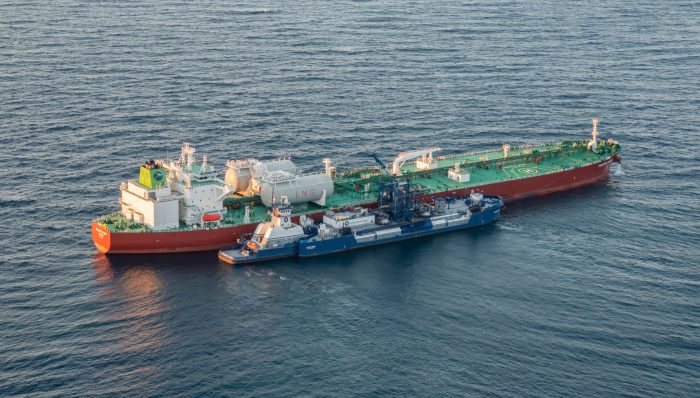
"LNG Bunkering" Here is something you must know!
In the current scenario of growing pollution, companies are trying to adapt more and more sustainable approach that not only gives eco-friendly result

Fact check on UV Disinfection for COVID-19
Many regulatory authorities and bodies believe that UV disinfection technologies can play a role in a multiple barrier approach to reducing the transm

Rapidly growing IT industry coupled with the trend of bringing your own device (BYOD) is expected to provide new opportunities for growth of Cloud Collaboration
Cloud collaboration is the process of sharing and co-authoring the computer-based work through cloud technology

Rising Demand For Uninterrupted Power Supply Is Expected To Drive The Power Rental Market
Todays world is totally reliant on electric power. There are many things which are not manageable without electricity. Power rental is a concept where

The Global Ventilator Market Grows at a CAGR of 7.75 %
The Global Ventilator Market, which was at $688 million in the year 2016, is about to double by the year 2025, and reach a value of $1,347 million. Th
Recent Posts

The Wellness Renaissance: Gen Z and Millennials Drive the Next Wave of Consumer Innovation
The wellness landscape is undergoing a generational transformation. No longer a domain reserved for luxury or corrective health, wellness has become a foundational lifestyle

Diabetes Prevention: A Strategic Imperative for Economic and Market Growth
As global economies grapple with the dual challenges of maintaining workforce productivity and controlling public health costs, the rise of diabetes—particularly type 2—has emerged as a silent disruptor.

How Drones Are Reshaping the Future of Modern Warfare
The contemporary battlefield is undergoing a paradigm shift, driven not by sheer manpower or conventional firepower, but by the silent hum of Unmanned Aerial Vehicles (UAVs)

Adapting to Gen Z: Strategies for Retail Success in the Digital Age
Generation Z—individuals born between 1997 and 2012—is fast becoming the most influential cohort in the consumer marketplace.

Cross-Border Conflict and Economic Instability in South Asia
In 2025, the subcontinent witnessed a perilous turn in India-Pakistan relations following a deadly terrorist incident in Pahalgam, which claimed 26 lives.

Transforming Market Research: The Strategic Impact of Generative AI
In a data-driven economy, market research has become a mission-critical function for organizations seeking sustained growth.

Gold at Historic Highs in 2025: Strategic Implications of a Flight to Safety
Gold has reached unprecedented valuation levels in 2025, crossing $3,175 per ounce globally and nearing ₹94,000 per 10 grams in India—a 23% increase year-to-date

The Escalating U.S.-China Trade War: Strategic Implications for the Global Economy in 2025
In 2025, the U.S.-China trade war has reached an inflection point, introducing heightened complexity and volatility into the global economic system.
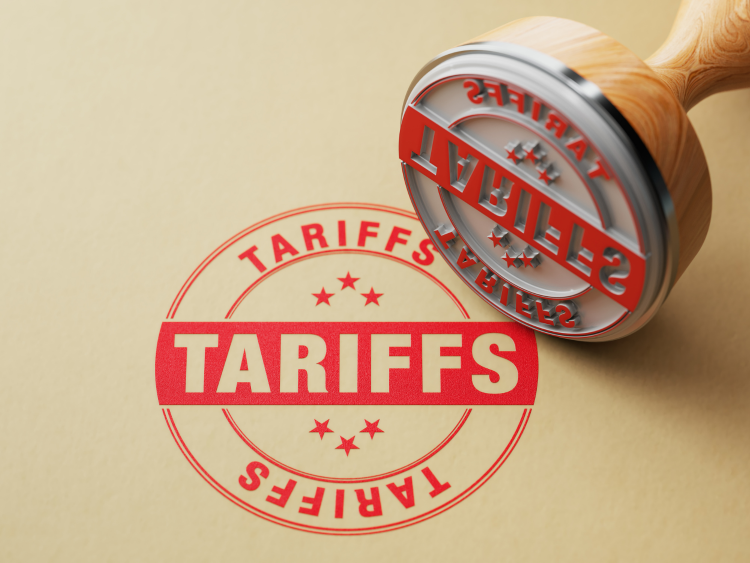
Tariffs & Trade: Key Trends, Policies, and Market Impact
A tariff is a tax imposed by a government on imported or exported goods. It is primarily used to regulate international trade by either encouraging domestic production or generating revenue for the government.

The Global Buy Now Pay Later (BNPL) Market: Growth and Opportunities
The global Buy Now Pay Later (BNPL) market has emerged as a revolutionary financial solution, transforming how consumers approach shopping and payments. Offering flexibility and convenience, BNPL allows consumers to make purchases and pay.