.png)
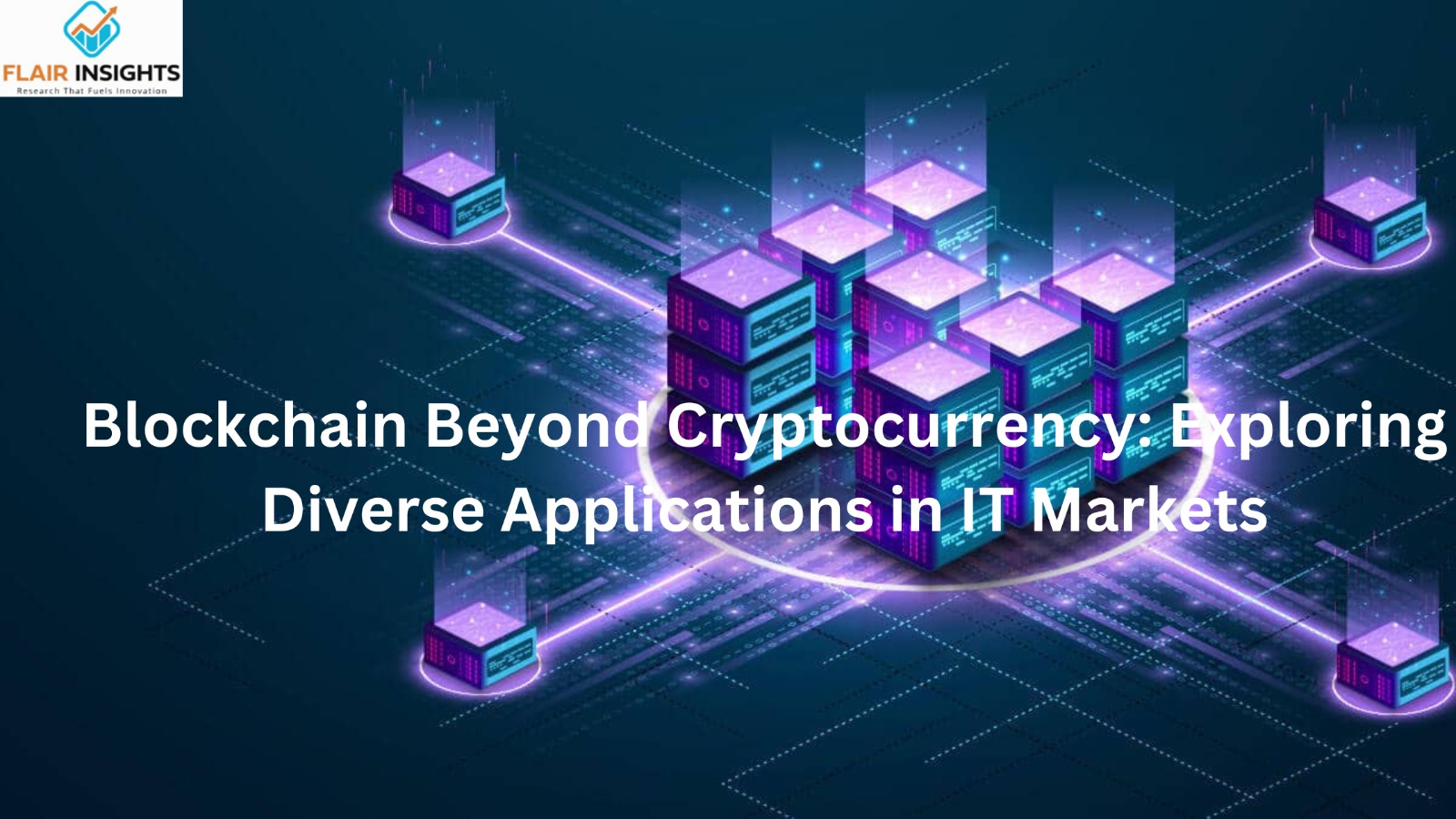
Blockchain technology, originally developed as the backboe of cryptocurrencies like Bitcoin, has evolved far beyond its initial purpose. In the IT markets, blockchain is now recognized for its potential to revolutionize various industries through its decentralized, transparent and secure nature. At its core, blockchain provides a tamper-proof ledger, which ensures data integrity and trust without the need for intermediaries. This feature has led to innovative applications in sectors such as supply chain management, where blockchain enhances traceability and reduces fraud. In finance, it's streamlining processes like cross-border payments and smart contracts, eliminating the need for traditional banking systems.
1. Decentralized Identity Management:
Security is a major concern in the traditional identity management systems due to issues associated with centralization. Blockchain provides a paradigm change through its decentralized alternative. The use of cryptographic keys gives individuals a degree of control regarding personal information, making the process of identity theft cumbersome and assuring a good amount of privacy. This is a fundamental step toward more secure and self-sovereign digitalization.
2. Smart Contracts for Automated Processes:
Smart contracts, as examples of self-executing contracts, have the inherent potential to automate a broad range of business processes. In IT markets, the contracts are applicable to process payments, manage supply chains, and license software. This leads to reduced need for any intermediaries, cutting operational costs, reducing incidences of errors and disputation on the way, therefore ushering in a new age of efficiency.
3. Revolutionizing Supply Chain Management:
The characteristics of transparency and traceability, inherent in blockchain, present the perfect use case for supply chain management. By recording every part of the supply chain on an un-alterable ledger, companies will be able to authenticate products with greater ease thus reducing incidents of fraud and more quickly mitigate part recalls. This will make the supply chain ecosystem more durable and secure.
4. Fortifying Cybersecurity:
The decentralized and cryptographic nature of blockchain makes it one of the strongest barriers to tampering and fraud, therefore, an asset for the strengthening of cybersecurity. Blockchain can be implemented in an IT area to protect and secure sensitive data from outside intrusion. A distributed network structure lowers the chances of a single point of failure and therefore increases the general resilience of cybersecurity infrastructure.
5. Tokenization of Assets:
Blockchain performs a similar function in enabling the tokenization of any form of asset, which simply would then be liquid in a digitalized form. This might change the dynamics for IT markets as it can allow fractional ownership of a software license, patent and intellectual property and may also extend to fractional ownership of hardware. Tokenization opens up the possibilities to anyone to access resources or create investment opportunities, something that no one could have imagined before.
6. Decentralized Cloud Storage:
Cloud storage solutions previously relied on centralized servers, which were therefore vulnerable. Offering extra storage for an incentive in the form of 'tokens' to users, this decentralized infrastructure strengthens the security model. At the same time, it creates an even more efficient and cost-effective model of cloud storage meaning it heralds a complete modulation of data management.
7. Intellectual Property and Royalties:
Managing intellectual property and royalties using blockchain technologies brings in a revolutionary change to the creative industries. In the event of using or selling digital content, smart contracts can be programmed to automatically effect royalty payment to guarantee content owners fair compensation. The ensuing disruption could thus redefine the current models in entertainment and software to produce a more equal and transparent ecosystem.
8. Revolutionizing Voting Systems:
Blockchain technology in voting systems addresses vital issues related to election integrity. With the availability of transparent, fully tamper evident records of votes it drastically strengthens the security and reliability of electoral processes. The potential of this application extends to both public and private market elections by offering a solution based on trust and verifiability.
9. Cross-Border Payments and Remittances:
Blockchain makes the possible provision of frictionless cross-border payment mechanisms and remittance services since intermediaries become eliminated from completing the transactions, thus reducing the time the transactions consume. This decentralization ensures transparent and cost-efficient fund transfer that is a positive implication for businesses and people across the globe.
10. Healthcare Data Management:
In the entire sector, blockchain may simplify data management and ensure the integrity of, as well as safe patient records. The patients having the power over their health data access and the healthcare providers experiencing secured and interoperable systems are enhanced in quality for the patients.
Conclusion:
IT markets are the ones very much affected as the blockchain technology keeps on maturing. Blockchains, apart from its roots in the world of cryptocurrencies, are coming up with a versatile and secure framework that has the potential to solve hundreds of challenges faced by many industries. It is quite foundational to very many potential application areas, from identity management remodeling to reformation of processes related to the supply chain.
Not taking this transformational technology on is less of an option than it is a strategic mandate that could deliver a new age of innovation, boost security measures, and deliver transparency and efficiency in the very weave of IT operations. With various use cases being explored by enterprises and industries, the transformational potential of blockchain will redefine the very base of IT markets in years to come. This is just the beginning of the road into the broad landscape of blockchain possibilities, and the synergy of this technology with the renewed IT landscape suggests a future where decentralized, secure, and clear solutions will be becoming predominately, rather than exceptionally, common.
Trending Posts
The Future of Artificial Intelligence
In recent years, the field of artificial intelligence (AI) has witnessed unprecedented growth and transformative advancements. As AI technologies

Global Silver Nanoparticles Market
The global silver nanoparticles market was valued at $2.08 billion in 2020, and is projected to reach $4.1 billion by 2027, growing at a CAGR of ~17%

Vaccination: Vaccination Against Measles is Now Mandatory in Germany
The subject of compulsory vaccination has always heated peoples minds and caused emotionally charged discussions. The latest law in this area - the ob

Sailing into the future with Autonomous Ships
Autonomous Vehicles (AVs) are the uproar of this era. After airways, thanks to the companies like Tesla, that people are now getting used to see drive

The Basic Pension Comes - Federal Cabinet Decides On the Pension Supplement
Financial security in old age is an issue that is causing stomach pains for more and more people in Germany. Low-wage earners fear the elderly. The ba

"LNG Bunkering" Here is something you must know!
In the current scenario of growing pollution, companies are trying to adapt more and more sustainable approach that not only gives eco-friendly result

Fact check on UV Disinfection for COVID-19
Many regulatory authorities and bodies believe that UV disinfection technologies can play a role in a multiple barrier approach to reducing the transm

Rapidly growing IT industry coupled with the trend of bringing your own device (BYOD) is expected to provide new opportunities for growth of Cloud Collaboration
Cloud collaboration is the process of sharing and co-authoring the computer-based work through cloud technology

Rising Demand For Uninterrupted Power Supply Is Expected To Drive The Power Rental Market
Todays world is totally reliant on electric power. There are many things which are not manageable without electricity. Power rental is a concept where

The Global Ventilator Market Grows at a CAGR of 7.75 %
The Global Ventilator Market, which was at $688 million in the year 2016, is about to double by the year 2025, and reach a value of $1,347 million. Th
Recent Posts

The Wellness Renaissance: Gen Z and Millennials Drive the Next Wave of Consumer Innovation
The wellness landscape is undergoing a generational transformation. No longer a domain reserved for luxury or corrective health, wellness has become a foundational lifestyle

Diabetes Prevention: A Strategic Imperative for Economic and Market Growth
As global economies grapple with the dual challenges of maintaining workforce productivity and controlling public health costs, the rise of diabetes—particularly type 2—has emerged as a silent disruptor.

How Drones Are Reshaping the Future of Modern Warfare
The contemporary battlefield is undergoing a paradigm shift, driven not by sheer manpower or conventional firepower, but by the silent hum of Unmanned Aerial Vehicles (UAVs)

Adapting to Gen Z: Strategies for Retail Success in the Digital Age
Generation Z—individuals born between 1997 and 2012—is fast becoming the most influential cohort in the consumer marketplace.

Cross-Border Conflict and Economic Instability in South Asia
In 2025, the subcontinent witnessed a perilous turn in India-Pakistan relations following a deadly terrorist incident in Pahalgam, which claimed 26 lives.

Transforming Market Research: The Strategic Impact of Generative AI
In a data-driven economy, market research has become a mission-critical function for organizations seeking sustained growth.

Gold at Historic Highs in 2025: Strategic Implications of a Flight to Safety
Gold has reached unprecedented valuation levels in 2025, crossing $3,175 per ounce globally and nearing ₹94,000 per 10 grams in India—a 23% increase year-to-date
The Escalating U.S.-China Trade War: Strategic Implications for the Global Economy in 2025
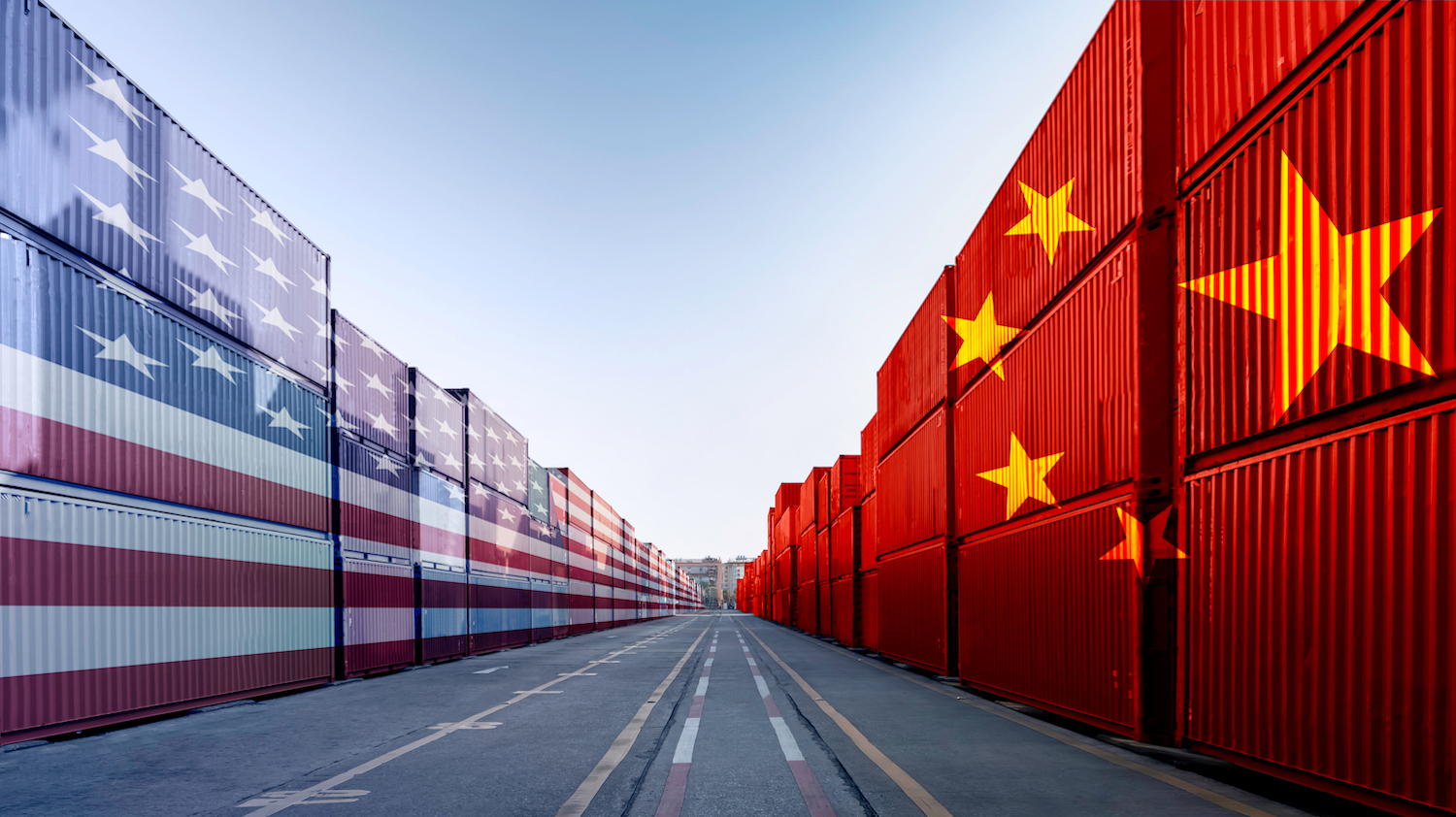
In 2025, the U.S.-China trade war has reached an inflection point, introducing heightened complexity and volatility into the global economic system.
Tariffs & Trade: Key Trends, Policies, and Market Impact
A tariff is a tax imposed by a government on imported or exported goods. It is primarily used to regulate international trade by either encouraging domestic production or generating revenue for the government.

The Global Buy Now Pay Later (BNPL) Market: Growth and Opportunities
The global Buy Now Pay Later (BNPL) market has emerged as a revolutionary financial solution, transforming how consumers approach shopping and payments. Offering flexibility and convenience, BNPL allows consumers to make purchases and pay.