.png)
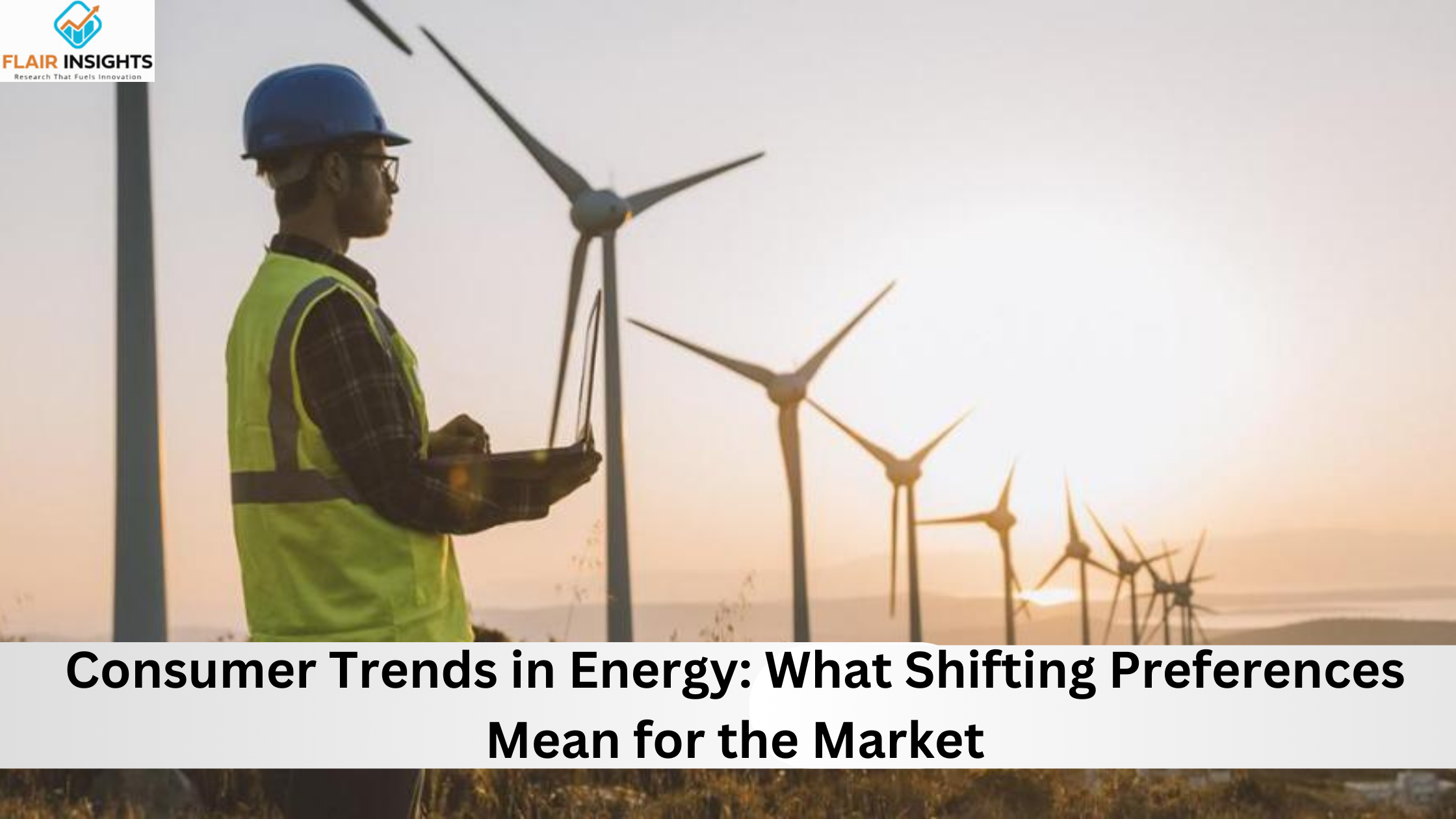
The sector is undergoing disruptive change driven by shifting consumer preferences. With growing awareness among individual and business consumers of the need for environmental sustainability, advancing technology, and long term implications of their energy choices, innovative and adaptive changes are rushing into the energy market at breakneck speeds. This article explores major trends taking form in consumer behavior within the energy sector and what this means for the market.
1. The Rise of Sustainable Energy Sources
People are increasingly demanding that their energy is sustainable. Indeed, demand for cleaner, more renewable forms of energy has spiked an increasingly sharp turn away from traditional fossil fuels.
1.1 Renewable Energy Adoption
One of the key trends shaping the energy market is that of acceleration in adopting renewable sources like solar, wind, and hydropower. It is not just consumer preference that is tilting toward cleaner energy; they are also palpably reaching out to providers with renewable options available. This surge in demand is driving investment in renewable energy infrastructure and technologies.
1.2 Energy Storage Solutions
With renewable energy really gaining momentum, the need for effective solutions to energy storage raises its head. Consumers are getting keenly interested in technologies like advanced batteries that store excess energy generated by solar panels or wind turbines. Energy storage not only addresses intermittency issues but also brings a certain independence and resilience in cases when grid goes out of order to the consumers.
2. Technology Integration and Smart Homes
Advancements in technology now play a very important role in shaping how consumers engage and manage their energy consumption. With the advent of smart homes and other associated connected devices, the way energy is being used has been changed.
2.1 Smart Home Devices
The aggregation of smart home devices is currently conferring on consumers the ability to monitor and manage their energy use with an accuracy never before achieved. Smart thermostats, lighting systems, and appliances permit users to optimize energy use through real time data. Not only will this result in better energy efficiency, but it will also decrease costs, which are in line with shifting consumer attitudes toward more sustainable, inexpensive living.
2.2 Internet of Things (IoT) in Energy Management
So called Internet of Things is new in town and is making energy management rather easy on consumers by availing real time data and insight into energy consumption. Beginning with smart meters down to energy monitoring systems, IoT enabled devices allow consumers to make informed decisions about their consumption patterns. That kind of visibility brings with it a sense of control, empowering the consumer to actively contribute to energy conservation efforts.
3. Energy Efficiency and Conservation
Probably one of the major trends in consumer behavior is the rising concern for energy efficiency and conservation. As consumers seek cleaner sources of energy, they commit to reducing wastage and instead use their energy wisely.
3.1 Energy-Efficient Appliances
The demand for energy efficient appliances is ever on the rise. In this respect, people are now becoming more responsive to the fact that energy saving appliances would not only be in their best interests, but also in the best interest of everybody else in the long run since they consume very little energy to give out the exact services they are meant for. The immense acceptance is received by energy efficient refrigerators, air conditioners, and lighting solutions because the customers decisions on purchases go in tandem with sustainability goals.
3.2 Home Energy Audits
As a step toward maximizing energy efficiency, many consumers are conducting in home energy audits. This type of audit identifies areas where the home or business is wasting energy and how to enhance those areas. From new insulation to caulking air leaks, consumers have been very optimistic about actively pursuing initiatives that will bring their homes up to speed with this developing trend in sustainability and responsible energy use.
4. Decentralization of Energy Production
That means a sea change in the energy landscape as consumers start decentralizing energy production; this is counter to the traditional model of centralized power generation and distribution.
4.1 Distributed Energy Resources (DERs)
Consumers are increasingly investing in their own Distributed Energy Resources examples include rooftop solar panels and small scale wind turbines. If used properly, decentralized sources of energy allow consumers to generate power locally, thereby shifting reliance from centralized grids. Development in DERs links to a more resilient and therefore distributed energy infrastructure, one that is better positioned to withstand disruptions and provide localized solutions.
4.2 Microgrids
The concept of microgrids is taking off in communities and businesses serious about energy resilience. This additional autonomy at operation in either island or grid connected mode affords more flexibility and control over energy production and distribution. Decentralization thus is the evident trend driven by desires for energy self sufficiency and a reduced ecological footprint.
5. Electrification of Transportation
At the moment, the transport sector is changing radically as consumers embrace electric vehicles. This growth is driven by the environment, EV technology change, and mounting concerns about the role of traditional transport in climate change.
5.1 EV Adoption Trends
It is obvious that consumers show increasing interest in electric vehicles, mainly due to a reduction in the carbon footprint. On this consumer need, the response of the automotive industry has been rather magnificent. Major car manufacturers began investing huge sums of money into the development of electric cars. The adoption of EVs is further supported by government incentives and an increasing charging infrastructure.
5.2 Charging Infrastructure
Another critical component in the roadmap to transportation electrification is the charging infrastructure. Consumers are eyeing convenient, easily accessible charging stations that help alleviate range and usability concerns associated with electric vehicles. Setting up a good, well-maintained charging infrastructure presents business and government opportunities toward a much more sustainable and efficient system of transport.
6. Consumer Awareness and Education
As consumers become more informed about the environmental and economic implications of their energy choices, the industry must adapt to meet their expectations.
6.1 Educational Initiatives
Educational activities in the energy sector hold a significant contribution toward influencing consumer change. In view of this need, consumers increasingly require information about the environmental impact of various sources of energy, the benefits of energy efficiency, and renewable technologies. Indeed, to make informed decisions on their energy use, integrated education campaigns will have to be taken up by governments, energy providers, and advocacy organizations.
6.2 Transparent Communication
Any energy provider must consider the core aspect of transparent consumer communication. In other words, it has to communicate with the consumer regarding energy sources, sustainability initiatives, and environmental impact. In this way, it will usher in a new era for transparent communication that will create trust and empower consumer choice by letting consumers choose energy companies that reflect their values.
7. Conclusion
The energy sector is at a crossroads due to changing consumer preferences. Growing sustainable energy, rising technology integration, energy efficiency, decentralization, transportation electrification, raising customer awareness these are all trends shaping the future of the energy market. To that end, innovating and adopting these trends will be imperative by players involved in this industry in order to meet changing dynamics. In this regard, joining forces in the process of changing the energy sector, it makes the consumer, company, and policymaker equal stakeholders in creating a more sustainable and consumer oriented energy landscape meeting environmental and changing energy consumer needs.
Trending Posts

The Future of Artificial Intelligence
In recent years, the field of artificial intelligence (AI) has witnessed unprecedented growth and transformative advancements. As AI technologies

Global Silver Nanoparticles Market
The global silver nanoparticles market was valued at $2.08 billion in 2020, and is projected to reach $4.1 billion by 2027, growing at a CAGR of ~17%

Vaccination: Vaccination Against Measles is Now Mandatory in Germany
The subject of compulsory vaccination has always heated peoples minds and caused emotionally charged discussions. The latest law in this area - the ob

Sailing into the future with Autonomous Ships
Autonomous Vehicles (AVs) are the uproar of this era. After airways, thanks to the companies like Tesla, that people are now getting used to see drive
The Basic Pension Comes - Federal Cabinet Decides On the Pension Supplement
Financial security in old age is an issue that is causing stomach pains for more and more people in Germany. Low-wage earners fear the elderly. The ba

"LNG Bunkering" Here is something you must know!
In the current scenario of growing pollution, companies are trying to adapt more and more sustainable approach that not only gives eco-friendly result

Fact check on UV Disinfection for COVID-19
Many regulatory authorities and bodies believe that UV disinfection technologies can play a role in a multiple barrier approach to reducing the transm

Rapidly growing IT industry coupled with the trend of bringing your own device (BYOD) is expected to provide new opportunities for growth of Cloud Collaboration
Cloud collaboration is the process of sharing and co-authoring the computer-based work through cloud technology
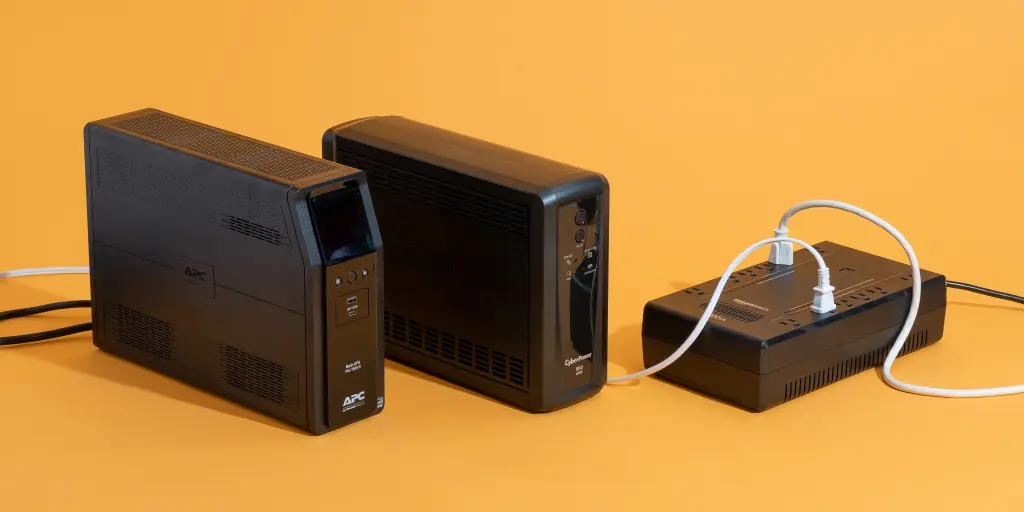
Rising Demand For Uninterrupted Power Supply Is Expected To Drive The Power Rental Market
Todays world is totally reliant on electric power. There are many things which are not manageable without electricity. Power rental is a concept where

The Global Ventilator Market Grows at a CAGR of 7.75 %
The Global Ventilator Market, which was at $688 million in the year 2016, is about to double by the year 2025, and reach a value of $1,347 million. Th
Recent Posts

The Wellness Renaissance: Gen Z and Millennials Drive the Next Wave of Consumer Innovation
The wellness landscape is undergoing a generational transformation. No longer a domain reserved for luxury or corrective health, wellness has become a foundational lifestyle

Diabetes Prevention: A Strategic Imperative for Economic and Market Growth
As global economies grapple with the dual challenges of maintaining workforce productivity and controlling public health costs, the rise of diabetes—particularly type 2—has emerged as a silent disruptor.

How Drones Are Reshaping the Future of Modern Warfare
The contemporary battlefield is undergoing a paradigm shift, driven not by sheer manpower or conventional firepower, but by the silent hum of Unmanned Aerial Vehicles (UAVs)

Adapting to Gen Z: Strategies for Retail Success in the Digital Age
Generation Z—individuals born between 1997 and 2012—is fast becoming the most influential cohort in the consumer marketplace.

Cross-Border Conflict and Economic Instability in South Asia
In 2025, the subcontinent witnessed a perilous turn in India-Pakistan relations following a deadly terrorist incident in Pahalgam, which claimed 26 lives.

Transforming Market Research: The Strategic Impact of Generative AI
In a data-driven economy, market research has become a mission-critical function for organizations seeking sustained growth.

Gold at Historic Highs in 2025: Strategic Implications of a Flight to Safety
Gold has reached unprecedented valuation levels in 2025, crossing $3,175 per ounce globally and nearing ₹94,000 per 10 grams in India—a 23% increase year-to-date

The Escalating U.S.-China Trade War: Strategic Implications for the Global Economy in 2025
In 2025, the U.S.-China trade war has reached an inflection point, introducing heightened complexity and volatility into the global economic system.
Tariffs & Trade: Key Trends, Policies, and Market Impact
A tariff is a tax imposed by a government on imported or exported goods. It is primarily used to regulate international trade by either encouraging domestic production or generating revenue for the government.

The Global Buy Now Pay Later (BNPL) Market: Growth and Opportunities
The global Buy Now Pay Later (BNPL) market has emerged as a revolutionary financial solution, transforming how consumers approach shopping and payments. Offering flexibility and convenience, BNPL allows consumers to make purchases and pay.