.png)
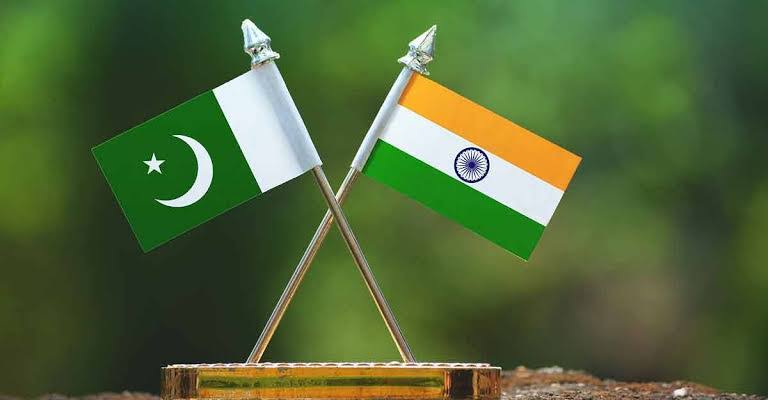
In 2025, the subcontinent witnessed a perilous turn in India-Pakistan relations following a deadly terrorist incident in Pahalgam, which claimed 26 lives. India’s swift military response, dubbed Operation Sindoor, targeted alleged militant infrastructure across the border. Pakistan’s countermeasure—reporting the downing of five Indian fighter jets—ushered in the most severe bilateral confrontation in over two decades. This resurgence of geopolitical instability raises critical concerns not only for regional security but also for the economic futures of both nations.
Amidst this volatility, analyzing the immediate and projected economic impacts offers strategic insights for policymakers, investors, and international stakeholders navigating the high-stakes dynamics of South Asia.
Immediate Financial Market Reactions
India’s Market Stability Amid Escalation
Remarkably, India’s financial markets demonstrated notable resilience in the face of escalating geopolitical tension. Both the BSE Sensex and Nifty 50 closed slightly positive following the conflict’s outbreak—a signal that investors maintained confidence in the country’s macroeconomic fundamentals and domestic consumption trends. However, the Indian rupee registered its most substantial single-day drop in a month, falling nearly 0.5% to close at 84.8250 against the U.S. dollar. Currency markets reflected caution, particularly from foreign institutional investors, in light of rising oil import costs and the potential for disrupted capital flows.
India’s financial market response illustrates the economy's structural fortitude. Over the last decade, India has diversified its trade portfolio, strengthened FX reserves, and implemented fiscal reforms that collectively buffered investor sentiment against short-term shocks.
Pakistan’s Market Decline and Structural Fragility
In contrast, the economic shockwaves reverberated more profoundly in Pakistan. Already burdened by over $131 billion in external debt and minimal foreign exchange reserves, the nation faced a rapid sell-off in equities. The Karachi Stock Exchange 100 index tumbled, underpinned by investor anxiety over the country’s IMF reliance and looming external debt repayments.
India’s symbolic suspension of the Indus Waters Treaty—long viewed as a lifeline for Pakistan’s agricultural sector—further compounded these vulnerabilities. With agriculture accounting for approximately 40% of Pakistan’s labor force, disruptions to water access threaten both employment and food security, deepening the country’s economic fragility.
Fiscal Implications and Policy Trade-Offs
India: Managing the Guns-versus-Growth Dilemma
For India, the fiscal implications of military operations center on the reallocation of resources. Defense expenditure is poised to rise, potentially at the expense of capital investments in infrastructure, education, or green energy transitions. Analysts caution that an extended conflict could pressure India’s fiscal deficit—currently targeted at 5.1% of GDP—if contingency reserves prove insufficient.
Yet, if the conflict remains geographically limited and temporally constrained, economists believe the macroeconomic disruption will be muted. India’s decentralized economic structure and vibrant internal demand offer fiscal agility, allowing the government to navigate increased defense spending without significantly derailing growth.
Pakistan: A Fragile Balancing Act
Pakistan’s fiscal environment, however, offers little cushion. Moody’s Ratings highlighted that prolonged hostility could derail fiscal consolidation, restrict access to external financing, and erode foreign-exchange buffers. Defense spending—already one of the largest components of the national budget—may need to rise further, forcing cuts to essential social programs and development spending.
Such a fiscal recalibration could accelerate inflation, reduce subsidies, and increase social unrest—factors that weaken governance and elevate political risk, deterring further investment.
Investor Sentiment and Cross-Border Capital Flows
India: Short-Term Perceptions vs. Long-Term Potential
The geopolitical flashpoint has marginally tempered India’s appeal as a safe-haven market in Asia. While equity valuations have not suffered dramatic declines, risk premiums on Indian bonds have edged upward, and portfolio investors are adopting a more cautious stance.
Nevertheless, India’s economic trajectory remains buoyed by structural advantages: a large digital economy, policy-driven supply chain localization, and trade diversification. Ongoing negotiations for trade agreements with the United Kingdom and the United States reflect investor belief in India’s long-term economic credibility.
Pakistan: Capital Flight and Investor Exodus
In Pakistan, the deteriorating security narrative is causing rapid capital flight. The tourism sector—a modest but symbolically vital source of revenue—has seen an abrupt collapse. The Neelam Valley, a major summer tourist destination, has experienced a 90% drop in bookings. This contraction not only reduces foreign exchange earnings but also cripples livelihoods in local economies.
With sovereign ratings already under pressure, any prolonged instability may prompt rating downgrades, restrict sovereign bond issuance, and lead to further currency depreciation, deepening Pakistan’s economic isolation.
Sectoral Impact and Supply Chain Disruptions
Defense-Driven Sectoral Shifts in India
The defense, aerospace, and surveillance technology sectors in India are likely to benefit from short-term government contracts. Domestic defense production initiatives under the "Make in India" scheme may receive a temporary boost, aligning national security objectives with industrial policy.
However, prolonged tensions risk disrupting broader manufacturing ambitions. Multinational corporations in sectors like electronics, pharmaceuticals, and textiles have voiced concerns over operational risks, especially near border states. Localized security drills and potential power interruptions could dampen productivity and delay supply chain timelines.
Pakistan’s Domestic Industry Under Strain
Pakistan’s industrial and export sectors—especially textiles and agri-processing—are at heightened risk. Trade routes may be impeded, energy costs could rise due to higher oil premiums, and investor uncertainty may postpone capital infusion in export-driven clusters such as Sialkot and Faisalabad.
For a country reliant on export receipts and remittances, such disruptions represent a systemic risk to external account stability.
Macroeconomic Cost of Conflict Escalation
A brief, conventional military confrontation could cost India an estimated ₹1,460 crore to ₹5,000 crore per day in direct military spending. Extrapolated over weeks or months, and factoring indirect costs—such as reduced tourism, diverted investments, and elevated borrowing costs—the economic toll could exceed ₹1.34 lakh crore ($17.8 billion) daily.
For Pakistan, the proportional cost is even steeper given its smaller economic base. Any substantial mobilization effort or infrastructure damage could set back GDP growth by several percentage points, undoing years of fragile recovery under IMF supervision.
Such projections underscore that even limited conflict can trigger cascading economic consequences that far outstrip the tactical objectives pursued on the battlefield.
Global Implications and Strategic Spillovers
The economic consequences of India-Pakistan tensions extend beyond their borders. South Asia is increasingly integrated into global trade and investment flows, especially with Western firms seeking China-plus-one strategies. Continued instability risks derailing India’s bid to become a global manufacturing hub and could incentivize firms to relocate to more politically stable environments in Southeast Asia.
Meanwhile, energy markets have already responded. Oil futures surged modestly due to the regional uncertainty, raising input costs across the board for energy-importing economies, including both India and Pakistan.
Furthermore, any prolonged disruption could affect regional institutions such as SAARC and weaken cross-border infrastructure initiatives like the International North-South Transport Corridor (INSTC), diluting broader regional cooperation.
Conclusion: Strategic Imperatives for Economic Safeguarding
The 2025 India-Pakistan standoff serves as a sobering reminder of how fragile geopolitical fault lines can unravel economic progress. While India’s diversified economy and policy frameworks provide short-term insulation, sustained conflict poses structural risks to investor confidence, fiscal discipline, and supply chain integration.
For Pakistan, the calculus is far more precarious. Its limited fiscal space, debt vulnerabilities, and reliance on multilateral aid constrain response capacity. Protracted conflict could amplify economic distress, leading to inflation spikes, foreign capital flight, and a deeper humanitarian crisis.
The strategic imperative for both nations is clear: de-escalation, diplomatic dialogue, and the institutionalization of conflict resolution mechanisms. For regional stakeholders, including ASEAN and G20 members, the episode reinforces the need for proactive economic diplomacy, conflict risk mitigation frameworks, and contingency planning for South Asia’s rising volatility.
In a global landscape where economic security is increasingly synonymous with geopolitical stability, the path forward for India and Pakistan must prioritize sustainable peace—anchored not only in military restraint but also in economic interdependence.
Trending Posts

The Future of Artificial Intelligence
In recent years, the field of artificial intelligence (AI) has witnessed unprecedented growth and transformative advancements. As AI technologies

Global Silver Nanoparticles Market
The global silver nanoparticles market was valued at $2.08 billion in 2020, and is projected to reach $4.1 billion by 2027, growing at a CAGR of ~17%

Vaccination: Vaccination Against Measles is Now Mandatory in Germany
The subject of compulsory vaccination has always heated peoples minds and caused emotionally charged discussions. The latest law in this area - the ob

Sailing into the future with Autonomous Ships
Autonomous Vehicles (AVs) are the uproar of this era. After airways, thanks to the companies like Tesla, that people are now getting used to see drive

The Basic Pension Comes - Federal Cabinet Decides On the Pension Supplement
Financial security in old age is an issue that is causing stomach pains for more and more people in Germany. Low-wage earners fear the elderly. The ba
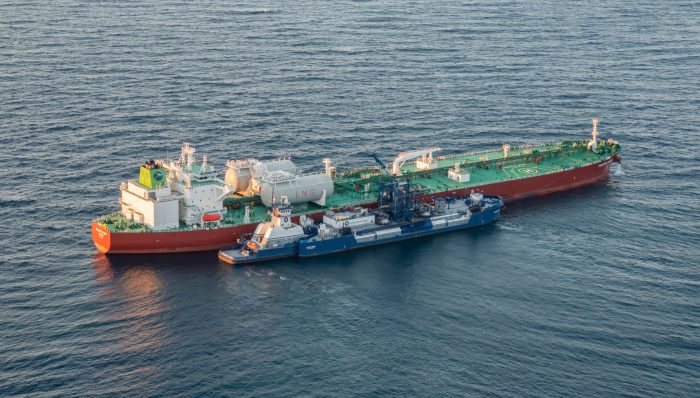
"LNG Bunkering" Here is something you must know!
In the current scenario of growing pollution, companies are trying to adapt more and more sustainable approach that not only gives eco-friendly result

Fact check on UV Disinfection for COVID-19
Many regulatory authorities and bodies believe that UV disinfection technologies can play a role in a multiple barrier approach to reducing the transm

Rapidly growing IT industry coupled with the trend of bringing your own device (BYOD) is expected to provide new opportunities for growth of Cloud Collaboration
Cloud collaboration is the process of sharing and co-authoring the computer-based work through cloud technology

Rising Demand For Uninterrupted Power Supply Is Expected To Drive The Power Rental Market
Todays world is totally reliant on electric power. There are many things which are not manageable without electricity. Power rental is a concept where
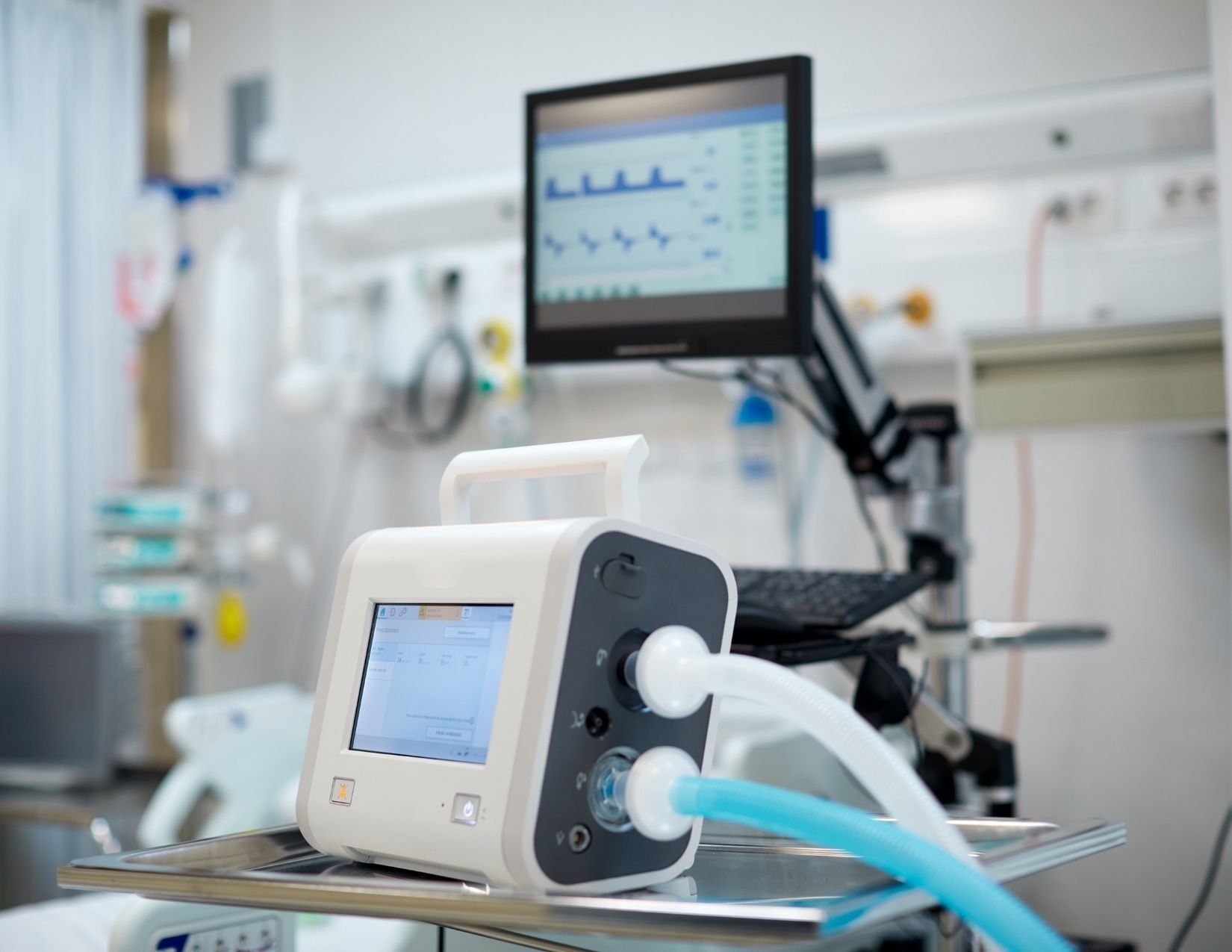
The Global Ventilator Market Grows at a CAGR of 7.75 %
The Global Ventilator Market, which was at $688 million in the year 2016, is about to double by the year 2025, and reach a value of $1,347 million. Th
Recent Posts

The Wellness Renaissance: Gen Z and Millennials Drive the Next Wave of Consumer Innovation
The wellness landscape is undergoing a generational transformation. No longer a domain reserved for luxury or corrective health, wellness has become a foundational lifestyle

Diabetes Prevention: A Strategic Imperative for Economic and Market Growth
As global economies grapple with the dual challenges of maintaining workforce productivity and controlling public health costs, the rise of diabetes—particularly type 2—has emerged as a silent disruptor.
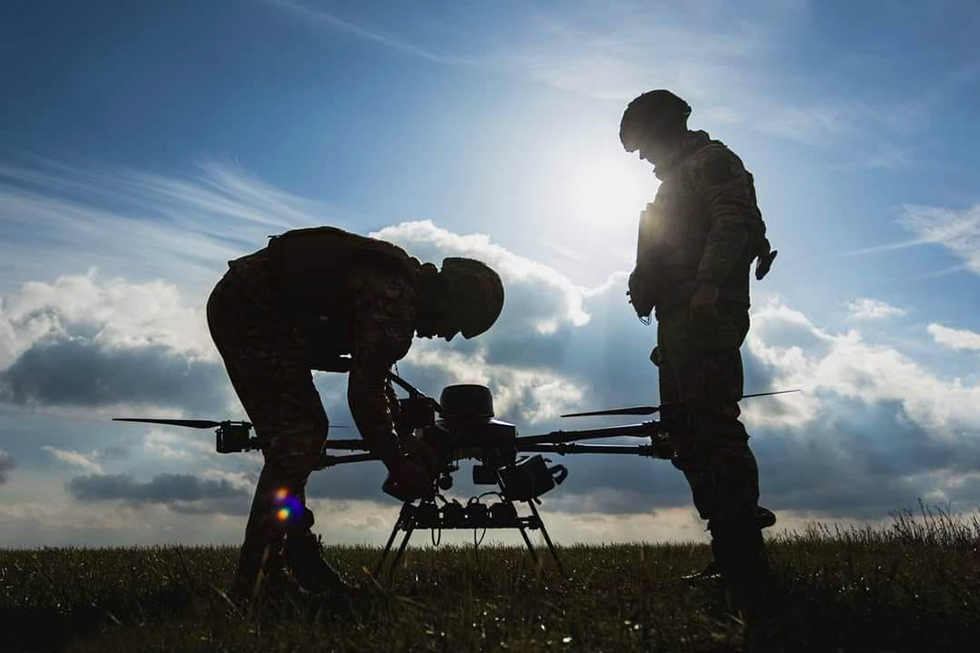
How Drones Are Reshaping the Future of Modern Warfare
The contemporary battlefield is undergoing a paradigm shift, driven not by sheer manpower or conventional firepower, but by the silent hum of Unmanned Aerial Vehicles (UAVs)

Adapting to Gen Z: Strategies for Retail Success in the Digital Age
Generation Z—individuals born between 1997 and 2012—is fast becoming the most influential cohort in the consumer marketplace.

Transforming Market Research: The Strategic Impact of Generative AI
In a data-driven economy, market research has become a mission-critical function for organizations seeking sustained growth.

Gold at Historic Highs in 2025: Strategic Implications of a Flight to Safety
Gold has reached unprecedented valuation levels in 2025, crossing $3,175 per ounce globally and nearing ₹94,000 per 10 grams in India—a 23% increase year-to-date
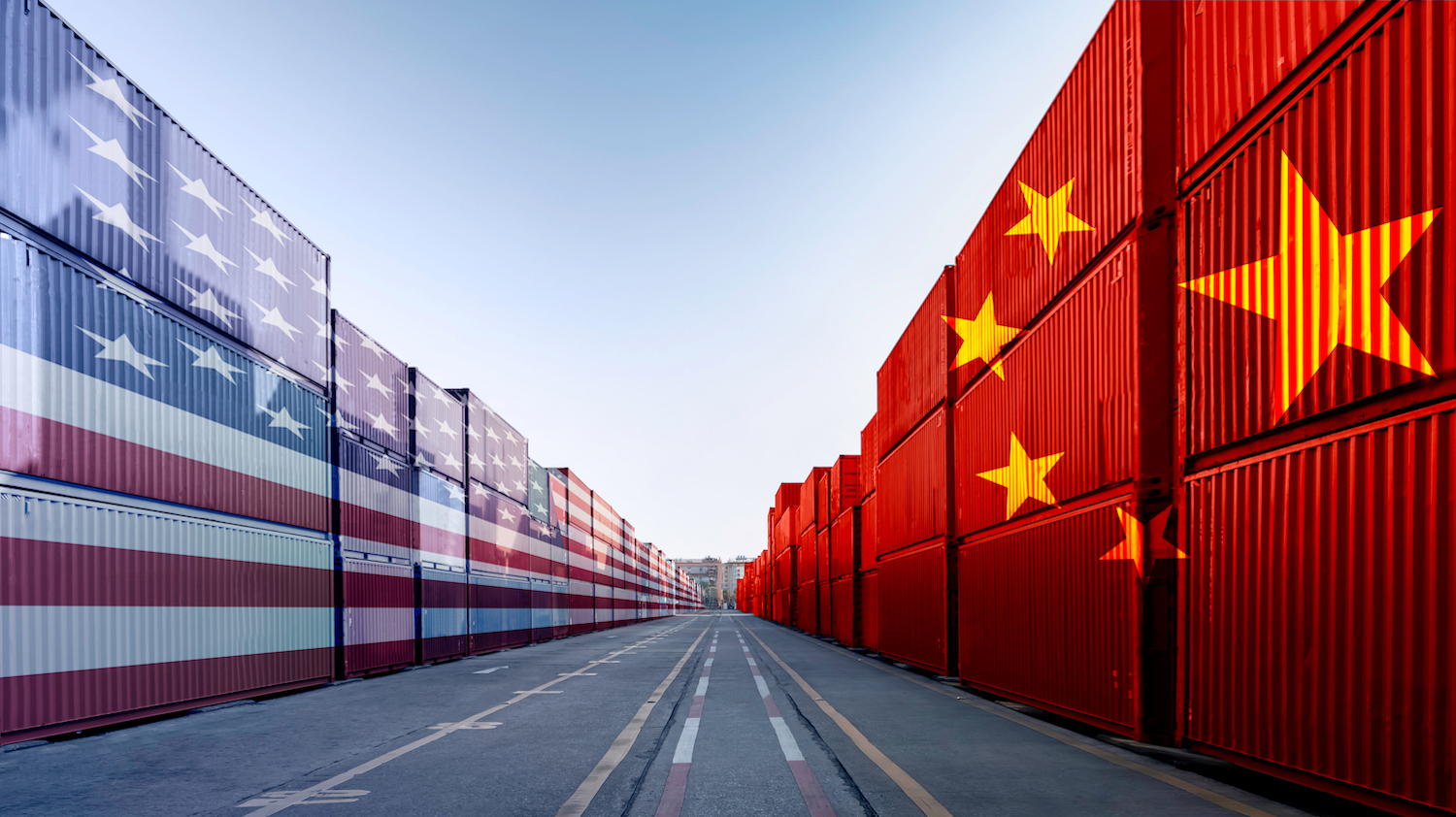
The Escalating U.S.-China Trade War: Strategic Implications for the Global Economy in 2025
In 2025, the U.S.-China trade war has reached an inflection point, introducing heightened complexity and volatility into the global economic system.
Tariffs & Trade: Key Trends, Policies, and Market Impact
A tariff is a tax imposed by a government on imported or exported goods. It is primarily used to regulate international trade by either encouraging domestic production or generating revenue for the government.

The Global Buy Now Pay Later (BNPL) Market: Growth and Opportunities
The global Buy Now Pay Later (BNPL) market has emerged as a revolutionary financial solution, transforming how consumers approach shopping and payments. Offering flexibility and convenience, BNPL allows consumers to make purchases and pay.

Global Motorhome Market: Growth and Forecast
The motorhome market has gained significant momentum over the past decade, driven by rising interest in outdoor tourism, evolving consumer lifestyles, and advancements in vehicle design and technology. As a preferred option for travelers seeking.