.png)
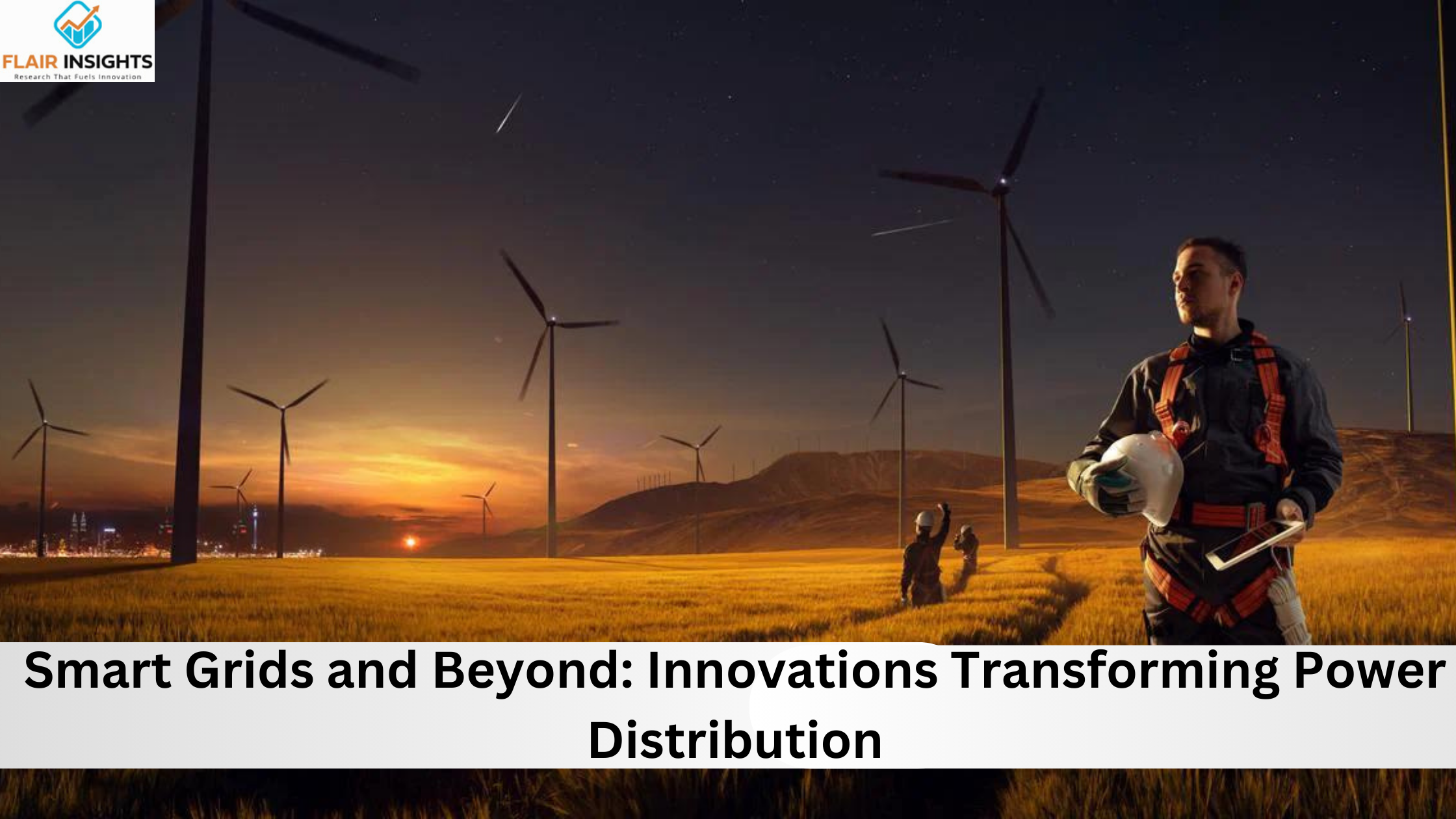
In the dynamic scene of energy, the need to change over to sustainable and effective power distribution systems has become a worldwide challenge. Conventional power grids, designed for another time, cannot keep up with the challenges brought about by the rising demands of energy needs, environmental concerns, and integration of renewable energy sources. Enter Smart Grids: if not for the revolutionary concept of challenging the status quo of mere power distribution, then leveraging advanced technologies in changing the way we generate, transmit, and consume electricity. The current paper will present and discuss some of the innovations that are taking a lead role in shaping up the future of power distribution for a more resilient and sustainable energy infrastructure.
The Evolution of Smart Grids:
Smart Grids are the step away from the traditional centralized model of power distribution. These embed the latest technologies in sensors, communication networks, and advanced analytics to bring about efficiency, reliability, and sustainability across energy systems. One of the major goals of smart grids is two way communication between utilities and consumers and real time monitoring, control, and optimization of the whole energy ecosystem.
Advanced Metering Infrastructure (AMI):
Central to the smart grid revolution is the Advanced Metering Infrastructure a system replacing conventional analogue meters with smart meters for real time data collection and communication. Smart meters help customers to be fully aware of their pattern of energy consumption and hence make relevant and informed decisions about usage and cost management. Utilities are fine grained in demand, which helps them in optimizing their distribution, loss reduction, and grid reliability.
Distributed Energy Resources (DERs):
Basically, integration of distributed energy resources is an essential aspect of smart grid implementation. The definition of a DER may be varied, but it usually means a large array of decentralized power sources, from solar panels and wind turbines to energy storage systems and electric vehicles. Smart grids, in this case, provide undisturbed accommodation for these resources within the grid, and hence enhance flexibility and resilience in the energy infrastructure. It becomes imperative to manage and balance energy supply and demand dynamically so that the intermittency of renewable energy sources can be accommodated.
Grid Automation and Self-Healing:
Traditional grids are often subject to failures due to natural disasters, accidents, and even cyber-attacks. Smart grids make use of automation and self healing principles in the grid to detect, isolate, and rapidly restore from outages. Intelligent sensors and monitoring devices continuously assess the grid conditions to enable an automated response with minimized downtime. All this serves to improve the reliability of power supply and, hence, the resilience of the whole energy infrastructure.
Predictive Analytics and Machine Learning:
This is how smart grid technology has integrated predictive analytics and machine learning algorithms to help raise the bar. These systems study historical data to predict problems earlier than usual, optimize energy distribution, and detect equipment failures before they happen. Machine learning algorithms keep improving in accuracy with continuous learning and adaptation. In this way, utilities can make data driven decisions with regard to efficient grid management.
Demand Response Programs:
Smart grids enable consumers through their full and active participation in the market in demand response programs. These programs encourage positively altering electricity use to avoid periods of peak demand or to start off grid supplies, thereby offsetting peak loads. In reducing peak demand, the utilities optimize grid performance, reduce any need to invest in additional infrastructure, and save on general energy costs.
Cybersecurity and Privacy Considerations:
Since smart grids are much dependent on digital communication and interchange of data, robust measures in cybersecurity become imperative. Advanced encryption methods, secure communication protocols, and regular security audits should enable the grid to protect itself from cyber threats. Furthermore, detailed energy consumption data collection pushes privacy concerns to the forefront. One of the key, poignant challenges that must be addressed in the development and deployment of smart grid technologies is a balance between data driven insights and consumer privacy.
Challenges and Future Prospects:
While smart grids hold a good deal of potentials that would ensure avoiding the pitfalls outlined above, challenges to widespread adoption include high up front costs of implementation, interoperability issues, and regulatory frameworks that support their integration. However, ongoing research and development are addressing these challenges, with continuous innovations expected to drive down costs and improve scalability.
The Role of Blockchain in Smart Grids:
It has been possible because blockchain technology was already a potential game changer across the smart grid landscape. Blockchain can further enhance the integrity of smart grid systems with its decentralized, secure platform for transactions and data sharing. It provides for a transparent, tamper proof record of transactions guaranteeing data authenticity and instills trust amongst all stakeholders in the energy ecosystem.
Integration of 5G Technology:
5G technology will support smart grids through faster and more reliable communication networks. With lower latency and higher bandwidth, 5G enables real time data exchange, helping the grid to react to events faster and empowering smart grid operations in general. Further, seamless connectivity provided by 5G also enables the proliferation of IoT devices as part of the infrastructure, further advancing capabilities within the smart grid.
Conclusion:
Smart grids are simply a sea change in how conceptualization and management of power distribution take place. Being able to tap into advanced technologies, these systems augur a more resilient, efficient, and sustainable future for energy. From smart meters to distributed energy resources, grid automation, and predictive analytics, the morphing of power distribution into a dynamic responsive ecosystem is underway. With all the strife the world is putting into being greener, smarter, and more sustainable, it is certainly the innovations of smart grids that really pave the way for an energy sector revolution beyond traditional paradigms.
Trending Posts
The Future of Artificial Intelligence
In recent years, the field of artificial intelligence (AI) has witnessed unprecedented growth and transformative advancements. As AI technologies

Global Silver Nanoparticles Market
The global silver nanoparticles market was valued at $2.08 billion in 2020, and is projected to reach $4.1 billion by 2027, growing at a CAGR of ~17%

Vaccination: Vaccination Against Measles is Now Mandatory in Germany
The subject of compulsory vaccination has always heated peoples minds and caused emotionally charged discussions. The latest law in this area - the ob

Sailing into the future with Autonomous Ships
Autonomous Vehicles (AVs) are the uproar of this era. After airways, thanks to the companies like Tesla, that people are now getting used to see drive

The Basic Pension Comes - Federal Cabinet Decides On the Pension Supplement
Financial security in old age is an issue that is causing stomach pains for more and more people in Germany. Low-wage earners fear the elderly. The ba

"LNG Bunkering" Here is something you must know!
In the current scenario of growing pollution, companies are trying to adapt more and more sustainable approach that not only gives eco-friendly result
Fact check on UV Disinfection for COVID-19
Many regulatory authorities and bodies believe that UV disinfection technologies can play a role in a multiple barrier approach to reducing the transm

Rapidly growing IT industry coupled with the trend of bringing your own device (BYOD) is expected to provide new opportunities for growth of Cloud Collaboration
Cloud collaboration is the process of sharing and co-authoring the computer-based work through cloud technology

Rising Demand For Uninterrupted Power Supply Is Expected To Drive The Power Rental Market
Todays world is totally reliant on electric power. There are many things which are not manageable without electricity. Power rental is a concept where
The Global Ventilator Market Grows at a CAGR of 7.75 %
The Global Ventilator Market, which was at $688 million in the year 2016, is about to double by the year 2025, and reach a value of $1,347 million. Th
Recent Posts

The Wellness Renaissance: Gen Z and Millennials Drive the Next Wave of Consumer Innovation
The wellness landscape is undergoing a generational transformation. No longer a domain reserved for luxury or corrective health, wellness has become a foundational lifestyle

Diabetes Prevention: A Strategic Imperative for Economic and Market Growth
As global economies grapple with the dual challenges of maintaining workforce productivity and controlling public health costs, the rise of diabetes—particularly type 2—has emerged as a silent disruptor.

How Drones Are Reshaping the Future of Modern Warfare
The contemporary battlefield is undergoing a paradigm shift, driven not by sheer manpower or conventional firepower, but by the silent hum of Unmanned Aerial Vehicles (UAVs)

Adapting to Gen Z: Strategies for Retail Success in the Digital Age
Generation Z—individuals born between 1997 and 2012—is fast becoming the most influential cohort in the consumer marketplace.

Cross-Border Conflict and Economic Instability in South Asia
In 2025, the subcontinent witnessed a perilous turn in India-Pakistan relations following a deadly terrorist incident in Pahalgam, which claimed 26 lives.

Transforming Market Research: The Strategic Impact of Generative AI
In a data-driven economy, market research has become a mission-critical function for organizations seeking sustained growth.

Gold at Historic Highs in 2025: Strategic Implications of a Flight to Safety
Gold has reached unprecedented valuation levels in 2025, crossing $3,175 per ounce globally and nearing ₹94,000 per 10 grams in India—a 23% increase year-to-date

The Escalating U.S.-China Trade War: Strategic Implications for the Global Economy in 2025
In 2025, the U.S.-China trade war has reached an inflection point, introducing heightened complexity and volatility into the global economic system.
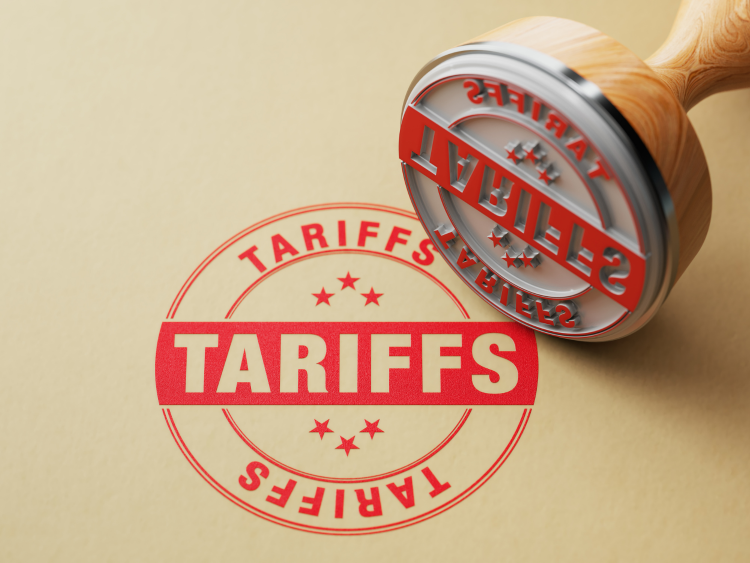
Tariffs & Trade: Key Trends, Policies, and Market Impact
A tariff is a tax imposed by a government on imported or exported goods. It is primarily used to regulate international trade by either encouraging domestic production or generating revenue for the government.

The Global Buy Now Pay Later (BNPL) Market: Growth and Opportunities
The global Buy Now Pay Later (BNPL) market has emerged as a revolutionary financial solution, transforming how consumers approach shopping and payments. Offering flexibility and convenience, BNPL allows consumers to make purchases and pay.