.png)
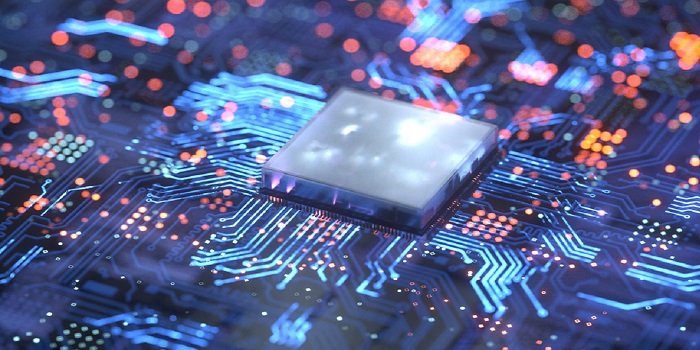
To a large extent, artificial intelligence becomes a force in the quickly changing world of electronics and semiconductors. This technology is new, but it is no longer business as usual with the design, manufacturing, and use of electronic devices. The article in detail examines the extent to which AI factors into the electronics and semiconductor industry, describing the impacts on different sectors from the points of innovation, manufacturing, and the larger perspective.
1. AI Revolutionizing Electronics Design
1.1 Design Automation and Optimization
Automation and optimization through AI have transformed the design phase of electronic devices. Designing complex circuits and systems traditionally was a very time consuming and complex process however, AI tools using machine learning algorithms have considerably speeded up this phase. Such algorithms can go through large volumes of data, spot patterns, and come up with optimized designs this shortens the time it takes for new electronic products to get to market.
AI in design optimization speeds up the process while providing improved and more efficient electronic components. Designed to learn from their experience, AI algorithms will be able to update designs based on real world performance data that leads towards continuous improvements and new ideas in electronic products.
1.2 AI in System-Level Design
System level design encompasses the integration of various components into a functional system. This is quite crucial in the manufacture of electronic products. AI helps a lot in perfecting the construction of the system, ensuring everything is as it should be, and improving overall performance.
This means that with machine learning algorithms, there is the capability to inspect complex interdependencies between various components to detect potential issues or inefficiencies and propose further improved system designs. The intelligent design of such systems not only advances the functionality of electronic devices but also conserves resources and decreases energy consumption.
2. AI in Semiconductor Manufacturing
2.1 Process Optimization and Yield Enhancement
Semiconductor manufacturing is indeed complicated and multivariate. The uses of AI can increasingly enhance the manufacturing process for greater productivity with fewer imperfections. Machine learning applications investigate historical manufacturing performance data for patterns and relationships that enable real time adjustments to enhance production efficiency.
AI predicts and prevents issues in semiconductor manufacturing. With huge data sets over the manufacturing process, AI can detect early signs of impending issues and proactively act to prevent losses in production.
2.2 Smart Manufacturing and Predictive Maintenance
Smart manufacturing, better known as Industry 4.0, is heavily reliant upon AI to have smart, connected manufacturing settings. An AI system can monitor how equipment is working in real time and predict when maintenance could be required, while also improving production schedules.
The AI algorithms involved in predictive maintenance help semiconductor manufacturers stay on top of potential equipment problems before the occurrence of unexpected shutdowns. This increases not only the general productivity but also prolongs the life of such expensive manufacturing equipment.
3. AI and the Internet of Things (IoT) in Electronics
3.1 Intelligent IoT Devices
The integration of AI with IoT enables connected devices to work in quite a different way. An AI-powered IoT device is not just a sensor rather, it is an intelligent machine capable of processing and analyzing data right at the endpoint. This edge intelligence helps in minimizing latencies, enhances real time decision making, and enables applications that are much more valuable.
For instance, AI powered cameras in smart security systems can analyze video feeds on their own. They can automatically detect suspicious activity or potential security breaches without having to forward data back to a central computer. Such collaboration illustrates how AI enhances IoT devices in terms of speed and efficiency.
3.2 Edge Computing and AI Accelerators
The connection of AI to edge computing is very important in electronics. The edge devices, such as smartphones and IoT sensors, use hardware accelerators for AI called AI accelerators, which efficiently run AI algorithms. This enables AI to operate on the device itself and reduces the frequency of data transfers to a central server.
This is because AI accelerators in electronic devices are making them good at specific tasks, which include language comprehension, image recognition, and several other analyses on the device itself. This not only makes the devices faster in working but also in privacy aspects by reducing shared data.
4. AI in Quality Control and Testing
4.1 Enhanced Testing Accuracy
This is a major reason why most minute problems grow into big issues in the electronics and semiconductor industries, as quality control is very essential in this industry. The testing processes are getting more precise with the help of artificial intelligence. Machine learning programs analyze test data for small patterns indicating possible defects and introduce precision in quality control measures.
AI powered automated test systems can handle large amounts of data quickly, allowing for the testing and finding of faulty parts to be done much faster and more accurately. This will not only improve electronic products but also ease the process of manufacturing.
4.2 Adaptive Testing Strategies
AI is quite flexible and adaptive in testing situations where things could actually be different. Testing methods of old may not adapt very well to changes, while AI programs can alter the testing settings in light of immediate feedback.
For example, in testing semiconductors, things like temperature and humidity can affect the results. AI can change the testing settings all the time to make sure the assessments are accurate and reliable. This ability to adapt makes testing procedures stronger in different conditions.
5. AI and Customization in Electronics
5.1 Personalized User Experiences
AI makes electronics and services personal. AI algorithms study user behavior, preferences, and habits for curating their experiences on everything from smart mobile phones to smart home gadgets. This improves the satisfaction of the user and creates brand loyalty.
Active recommendation systems based on AI in consumer electronics can take signals from usage patterns of people to recommend appropriate content or settings that would best meet their needs. AI is helping design special chips for semiconductors dedicated to specific purposes, thus substantially improving performance and efficiency.
5.2 AI-Generated Design Variants
Design alternatives can be generated and evaluated by AI, which makes the bespoke development of electronic components possible. AI algorithms in semiconductor design can search a large design space considering various parameters and constraints to arrive at the most promising candidates for particular applications.
This ability is very important in industries where needs are very different. Such as in the car industry, where electronic parts must follow the severe safety and performance rules with AI created design options, meeting the needs of different car models can be accomplished.
6. Conclusion
Artificial intelligence is changing the electronics and semiconductor field in a big way. It improves design processes, helps with manufacturing, and makes user experiences better. However, this powerful change also brings ethical responsibilities and challenges that the industry needs to deal with.
In fact, collaboration with a focus on ethics, biases, and workforce preparedness has become crucial as AI applications are increasing in the electronics and semiconductor industry. The future indeed holds so much promise in the form of AI in hardware, explainable AI, and new materials. Moving into this future requires dedication to responsible AI use and actively deciding how to face up to new challenges.
It's the final leg Technology is being rewritten by AI and the electronics and semiconductor industry hand in glove. Not only will the path ahead lie in pushing new ideas through but also ensuring that the advancement of AI meets the ethical considerations and what society expects. In so doing, the industry stands to gain most by embracing artificial intelligence with a real view toward promoting a sustainable and responsible future.
Trending Posts
The Future of Artificial Intelligence
In recent years, the field of artificial intelligence (AI) has witnessed unprecedented growth and transformative advancements. As AI technologies

Global Silver Nanoparticles Market
The global silver nanoparticles market was valued at $2.08 billion in 2020, and is projected to reach $4.1 billion by 2027, growing at a CAGR of ~17%

Vaccination: Vaccination Against Measles is Now Mandatory in Germany
The subject of compulsory vaccination has always heated peoples minds and caused emotionally charged discussions. The latest law in this area - the ob

Sailing into the future with Autonomous Ships
Autonomous Vehicles (AVs) are the uproar of this era. After airways, thanks to the companies like Tesla, that people are now getting used to see drive

The Basic Pension Comes - Federal Cabinet Decides On the Pension Supplement
Financial security in old age is an issue that is causing stomach pains for more and more people in Germany. Low-wage earners fear the elderly. The ba

"LNG Bunkering" Here is something you must know!
In the current scenario of growing pollution, companies are trying to adapt more and more sustainable approach that not only gives eco-friendly result

Fact check on UV Disinfection for COVID-19
Many regulatory authorities and bodies believe that UV disinfection technologies can play a role in a multiple barrier approach to reducing the transm

Rapidly growing IT industry coupled with the trend of bringing your own device (BYOD) is expected to provide new opportunities for growth of Cloud Collaboration
Cloud collaboration is the process of sharing and co-authoring the computer-based work through cloud technology

Rising Demand For Uninterrupted Power Supply Is Expected To Drive The Power Rental Market
Todays world is totally reliant on electric power. There are many things which are not manageable without electricity. Power rental is a concept where

The Global Ventilator Market Grows at a CAGR of 7.75 %
The Global Ventilator Market, which was at $688 million in the year 2016, is about to double by the year 2025, and reach a value of $1,347 million. Th
Recent Posts

The Wellness Renaissance: Gen Z and Millennials Drive the Next Wave of Consumer Innovation
The wellness landscape is undergoing a generational transformation. No longer a domain reserved for luxury or corrective health, wellness has become a foundational lifestyle

Diabetes Prevention: A Strategic Imperative for Economic and Market Growth
As global economies grapple with the dual challenges of maintaining workforce productivity and controlling public health costs, the rise of diabetes—particularly type 2—has emerged as a silent disruptor.

How Drones Are Reshaping the Future of Modern Warfare
The contemporary battlefield is undergoing a paradigm shift, driven not by sheer manpower or conventional firepower, but by the silent hum of Unmanned Aerial Vehicles (UAVs)

Adapting to Gen Z: Strategies for Retail Success in the Digital Age
Generation Z—individuals born between 1997 and 2012—is fast becoming the most influential cohort in the consumer marketplace.

Cross-Border Conflict and Economic Instability in South Asia
In 2025, the subcontinent witnessed a perilous turn in India-Pakistan relations following a deadly terrorist incident in Pahalgam, which claimed 26 lives.

Transforming Market Research: The Strategic Impact of Generative AI
In a data-driven economy, market research has become a mission-critical function for organizations seeking sustained growth.

Gold at Historic Highs in 2025: Strategic Implications of a Flight to Safety
Gold has reached unprecedented valuation levels in 2025, crossing $3,175 per ounce globally and nearing ₹94,000 per 10 grams in India—a 23% increase year-to-date

The Escalating U.S.-China Trade War: Strategic Implications for the Global Economy in 2025
In 2025, the U.S.-China trade war has reached an inflection point, introducing heightened complexity and volatility into the global economic system.

Tariffs & Trade: Key Trends, Policies, and Market Impact
A tariff is a tax imposed by a government on imported or exported goods. It is primarily used to regulate international trade by either encouraging domestic production or generating revenue for the government.

The Global Buy Now Pay Later (BNPL) Market: Growth and Opportunities
The global Buy Now Pay Later (BNPL) market has emerged as a revolutionary financial solution, transforming how consumers approach shopping and payments. Offering flexibility and convenience, BNPL allows consumers to make purchases and pay.