.png)
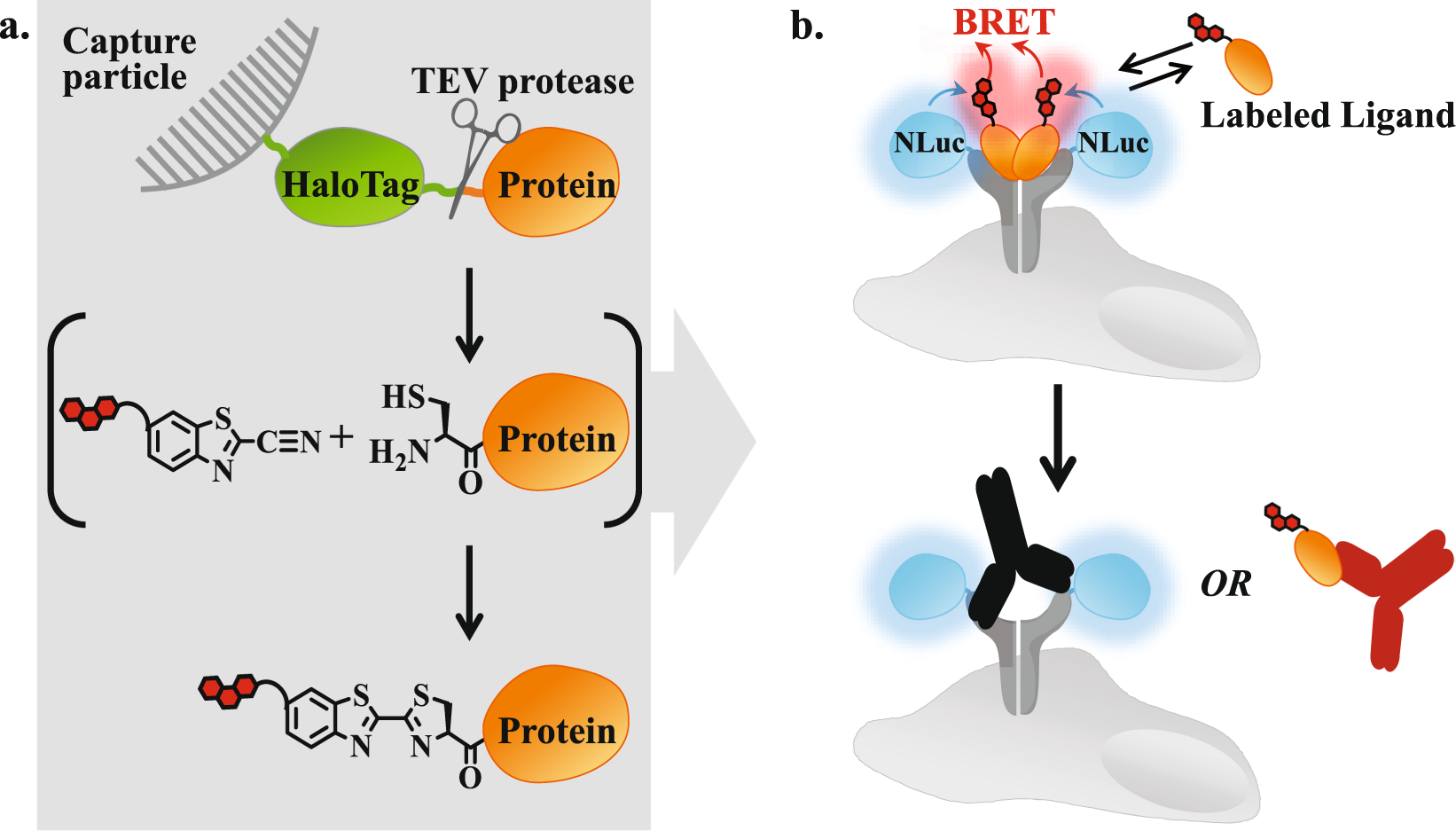
The global protein labeling market is exhibiting significant growth owing to the surging applications of proteomics, the growing importance of personalized medicine and the expanding healthcare industry. As one of the fundamental approaches to functional studies in molecular biology, protein labeling plays a critical role in investigations of protein functions, interactions, and signaling networks. The market growth rate is enhanced through the increasing need for protein analysis especially in the field of drug discovery.
Market Overview
The global protein labeling market is projected to reach USD 2.. 7 billion in 2023, is predicted to reach USD 4. 5 billion by 2028, at a Compound Annual Growth Rate (CAGR) of 7%. 5% over the forecast period used in the study. The interest in protein labeling methods is growing because of their importance in understanding protein dynamics and cellular processes, as well as identification of biomarkers. The increase in chronic diseases and the desire for specific treatment solutions are also key drivers of the market’s advancement.
Drivers
Advancements in Proteomics Research: More specifically, the growth of proteomics research, or the study of protein on a large scale, is a key factor driving the demand for protein labeling products. Protein labeling holds great potential in elucidating protein functions, protein-protein interactions and pathways, and has facilitated the development of novel drugs.
Rising Demand for Personalized Medicine: Pharmacogenomics, which involves use of drugs based on the genetic makeup of patients, is becoming popular. Protein labeling is indispensable for biomarker identification and disease mechanisms, which are critical for individualized treatment.
Increasing Investments in Healthcare Infrastructure: International governments and private sectors are redirecting more funds towards the development of efficient health systems especially in the emerging markets. It is this investment that has led to the need to develop better diagnostic and therapeutic tools such as protein labeling methods.
Restraints
High Costs of Protein Labeling Kits: Due to high costs entailing protein labeling kits and reagents, this market may face challenges in the current and projected future years especially in the developing countries whereby healthcare costs are cutting down the budgets that are available.
Complexity of Protein Labeling Techniques: The versatility and technicality of the techniques involved in protein labeling may limit this method since they require many resources, time, and are costly, especially in small laboratories.
Opportunities
Technological Advancements: There are great opportunities in the development of new technologies for labeling of proteins like site-specific labeling technology and bioorthogonal labeling. These innovations provide the enhancement of accuracy, efficiency and versatility in the analysis of proteins.
Expanding Applications in Drug Discovery: The opportunities in the market can be viewed from the growing use of protein labeling in drug discovery and development, especially in the identification of drug targets and biomarkers.
Market by Product Type Insights
The reagents segment holds the largest share of the global protein labeling market and is anticipated to achieve a market share of more than 40% in 2023. This is due to increased use of labeling reagents such as dyes, enzymes, and fluorophores used in immunoassays, fluorescence microscopy, and mass spectrometry.
Market by Application Insights
Among the different types of assays, cell-based assays dominate the global market because of the growing popularity of cell-based assays in the drug discovery and development processes. These assays utilize protein labeling technologies that are vital in analyzing cellular processes, interactions, and signaling pathways.
Regional Insights
North America dominates the global protein labeling market, comprising more than 35% of the market in 2023. Proteomics industry is highly developed in this region mostly due to large number of pharmaceutical and biotechnology companies and government support. Europe is the second largest market and Asia-Pacific region is anticipated to grow at the highest CAGR during the forecast period due to increasing healthcare spending and the growing need for innovative diagnostics techniques.
Competitive Scenario
Some of the strategically significant players in the global protein labeling market are Thermo Fisher Scientific, Merck KGaA, PerkinElmer, Inc. , and GE Healthcare. Such alliances, product differentiation, and M&As are strategic key methods by these companies to realize a better foothold in the market. For instance, in year 2022, the Thermo Fisher Scientific Company started a new range of protein labeling reagents increasing both its product range and coverage share.
Scope of Work
Key Market Developments
2022: Thermo Fisher Scientific has released a new protein labeling reagents, riding the wave for next gen proteomics solutions.
2021: Merck KGaA increased its protein labeling offering with the purchase of a novel biotech organization that focused on the site-directed biotechnology.
2020: GE Healthcare announced a strategic agreement with a leading research institution to advance the Protein labeling techniques for Drug Discovery.
Market Segmentation
The global protein labeling market is analysed based on product type (reagents, kits, services), applications (cell-based assays, fluorescence microscopy, immunoassays), and end users (pharmaceutical & biotechnology companies, research institutes & universities, hospitals & diagnostic centres).
FAQs
What is driving the growth of the protein labeling market?
Hybridization of proteomics research, increasing trend of gene based therapies, and comparatively higher investment on better health care services.
Which region holds the largest market share?
North America has the biggest market share; it was 35% in 2023.
What are the key challenges faced by the market?
High costs of the Protein labeling kits and the operational techniques required in the course of labeling proteins also poses a major challenge.
Trending Posts

The Future of Artificial Intelligence
In recent years, the field of artificial intelligence (AI) has witnessed unprecedented growth and transformative advancements. As AI technologies

Global Silver Nanoparticles Market
The global silver nanoparticles market was valued at $2.08 billion in 2020, and is projected to reach $4.1 billion by 2027, growing at a CAGR of ~17%

Vaccination: Vaccination Against Measles is Now Mandatory in Germany
The subject of compulsory vaccination has always heated peoples minds and caused emotionally charged discussions. The latest law in this area - the ob

Sailing into the future with Autonomous Ships
Autonomous Vehicles (AVs) are the uproar of this era. After airways, thanks to the companies like Tesla, that people are now getting used to see drive

The Basic Pension Comes - Federal Cabinet Decides On the Pension Supplement
Financial security in old age is an issue that is causing stomach pains for more and more people in Germany. Low-wage earners fear the elderly. The ba

"LNG Bunkering" Here is something you must know!
In the current scenario of growing pollution, companies are trying to adapt more and more sustainable approach that not only gives eco-friendly result

Fact check on UV Disinfection for COVID-19
Many regulatory authorities and bodies believe that UV disinfection technologies can play a role in a multiple barrier approach to reducing the transm

Rapidly growing IT industry coupled with the trend of bringing your own device (BYOD) is expected to provide new opportunities for growth of Cloud Collaboration
Cloud collaboration is the process of sharing and co-authoring the computer-based work through cloud technology

Rising Demand For Uninterrupted Power Supply Is Expected To Drive The Power Rental Market
Todays world is totally reliant on electric power. There are many things which are not manageable without electricity. Power rental is a concept where

The Global Ventilator Market Grows at a CAGR of 7.75 %
The Global Ventilator Market, which was at $688 million in the year 2016, is about to double by the year 2025, and reach a value of $1,347 million. Th
Recent Posts

The Wellness Renaissance: Gen Z and Millennials Drive the Next Wave of Consumer Innovation
The wellness landscape is undergoing a generational transformation. No longer a domain reserved for luxury or corrective health, wellness has become a foundational lifestyle

Diabetes Prevention: A Strategic Imperative for Economic and Market Growth
As global economies grapple with the dual challenges of maintaining workforce productivity and controlling public health costs, the rise of diabetes—particularly type 2—has emerged as a silent disruptor.

How Drones Are Reshaping the Future of Modern Warfare
The contemporary battlefield is undergoing a paradigm shift, driven not by sheer manpower or conventional firepower, but by the silent hum of Unmanned Aerial Vehicles (UAVs)

Adapting to Gen Z: Strategies for Retail Success in the Digital Age
Generation Z—individuals born between 1997 and 2012—is fast becoming the most influential cohort in the consumer marketplace.

Cross-Border Conflict and Economic Instability in South Asia
In 2025, the subcontinent witnessed a perilous turn in India-Pakistan relations following a deadly terrorist incident in Pahalgam, which claimed 26 lives.

Transforming Market Research: The Strategic Impact of Generative AI
In a data-driven economy, market research has become a mission-critical function for organizations seeking sustained growth.

Gold at Historic Highs in 2025: Strategic Implications of a Flight to Safety
Gold has reached unprecedented valuation levels in 2025, crossing $3,175 per ounce globally and nearing ₹94,000 per 10 grams in India—a 23% increase year-to-date

The Escalating U.S.-China Trade War: Strategic Implications for the Global Economy in 2025
In 2025, the U.S.-China trade war has reached an inflection point, introducing heightened complexity and volatility into the global economic system.
Tariffs & Trade: Key Trends, Policies, and Market Impact
A tariff is a tax imposed by a government on imported or exported goods. It is primarily used to regulate international trade by either encouraging domestic production or generating revenue for the government.

The Global Buy Now Pay Later (BNPL) Market: Growth and Opportunities
The global Buy Now Pay Later (BNPL) market has emerged as a revolutionary financial solution, transforming how consumers approach shopping and payments. Offering flexibility and convenience, BNPL allows consumers to make purchases and pay.